15–17 Nov 2024 · Spain
Lanzarote
A long weekend in November on the volcanic island of César Manrique
15–17 Nov 2024 · Spain
A long weekend in November on the volcanic island of César Manrique
In mid-November 2024 we flew from Luton to Lanzarote for a few days of sun, staying in Costa Teguise on the east coast.
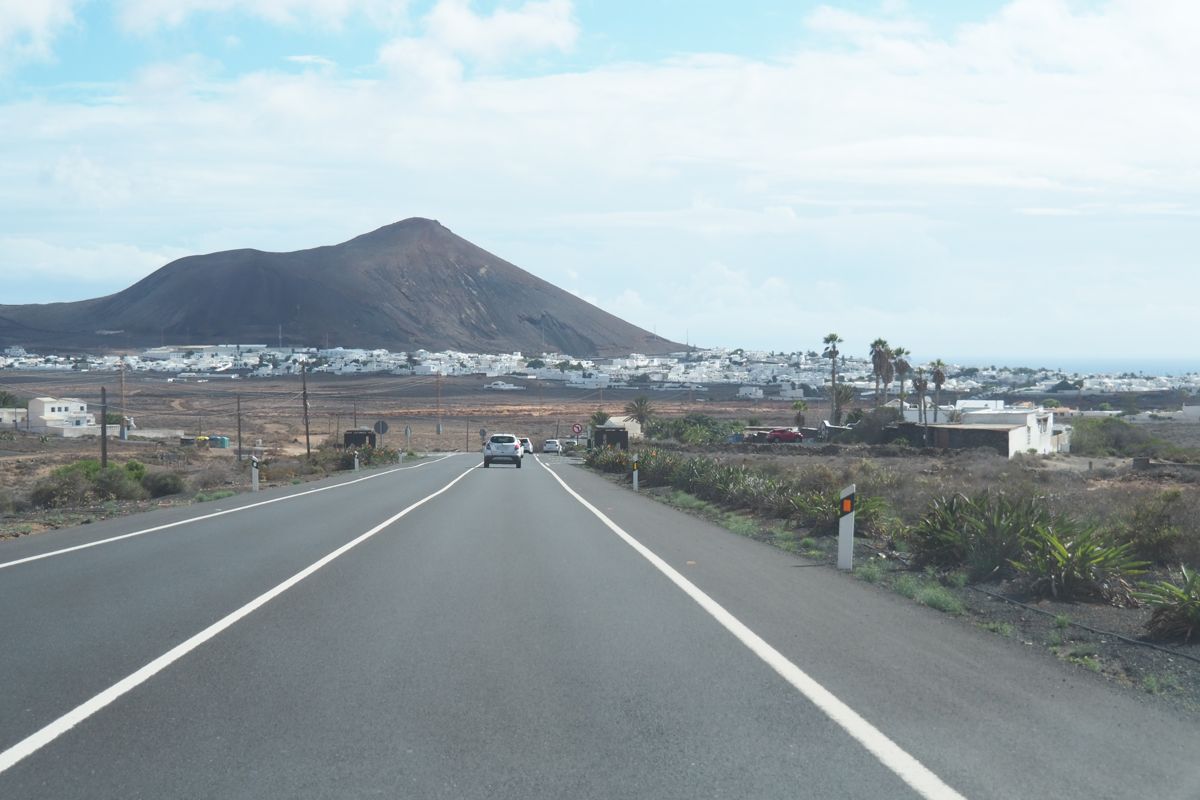
Lanzarote is a landscape of black lava fields, cinder cones and white villages, and much of what makes it special was shaped by one man: the artist and architect César Manrique, who turned caves, lava tubes and cliff tops into gardens, viewpoints and houses. Our two days of exploring were mostly spent in his footsteps.
The route
15 Nov · Spain
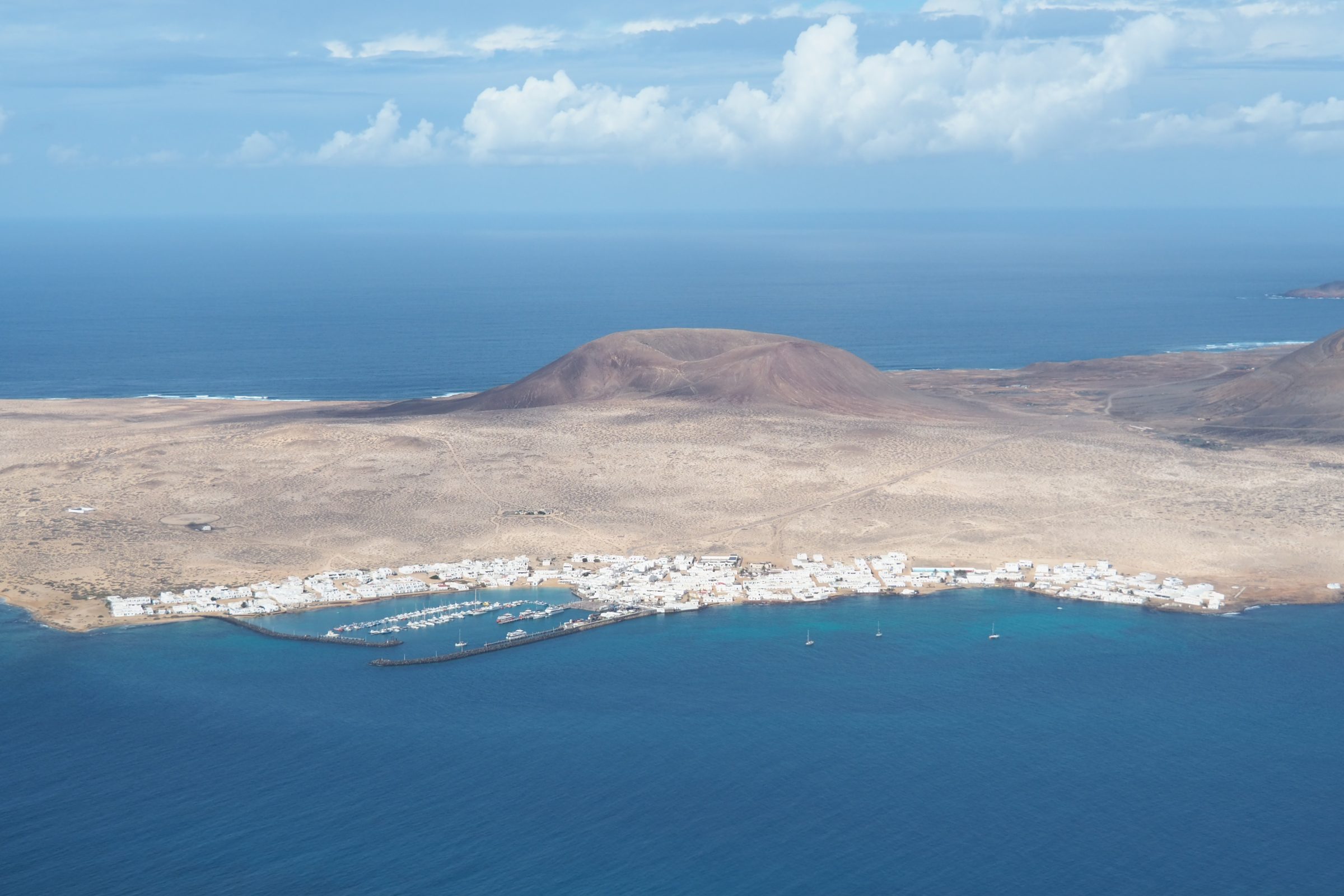
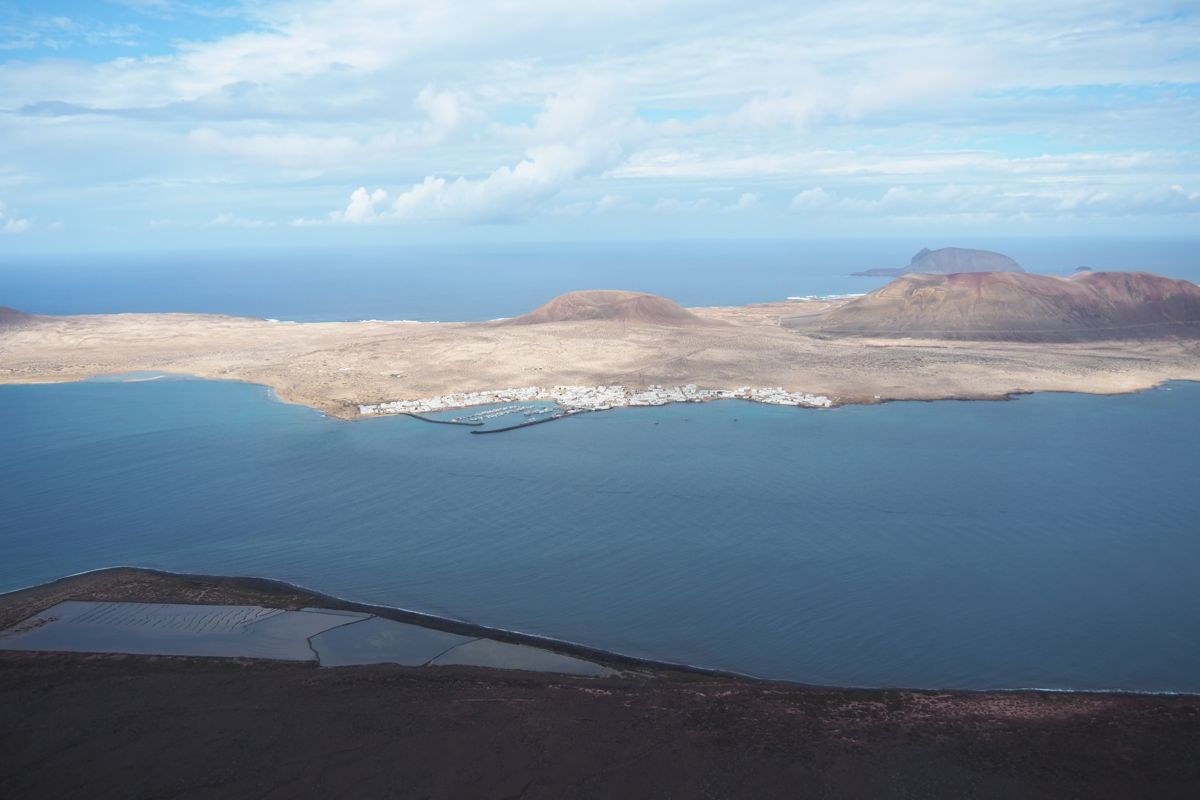
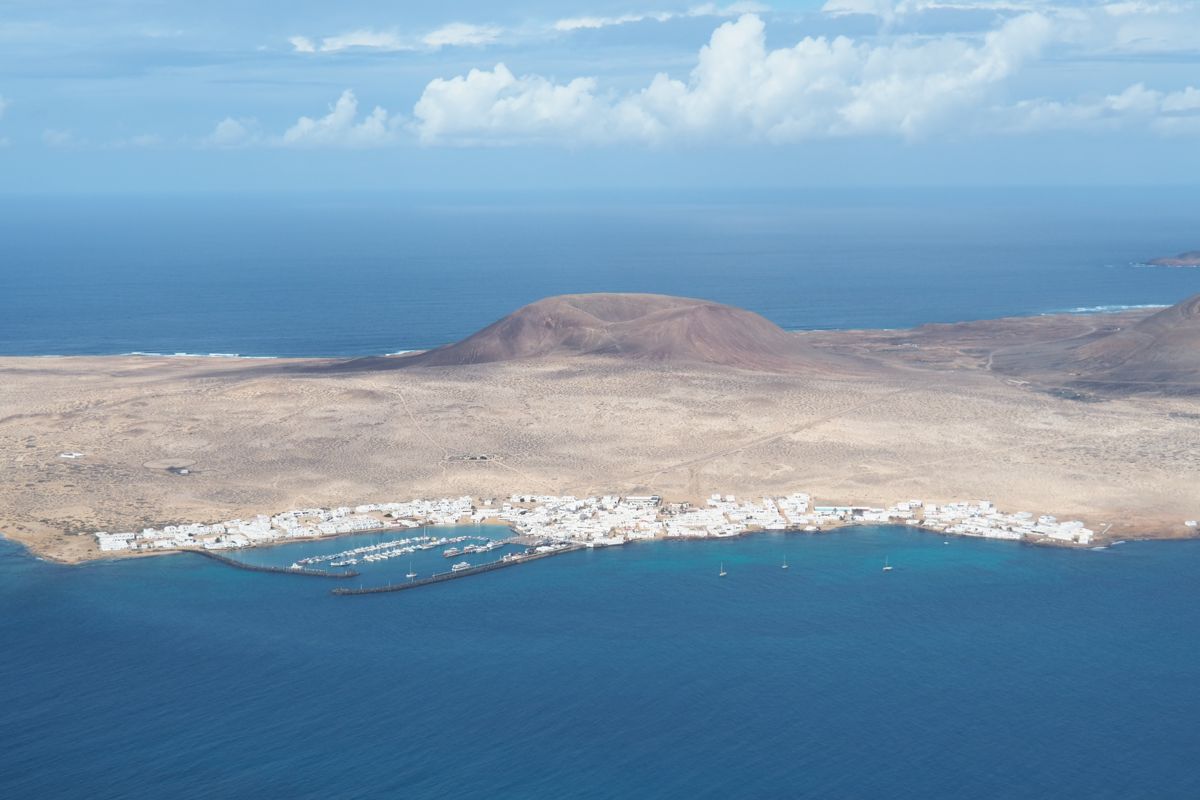
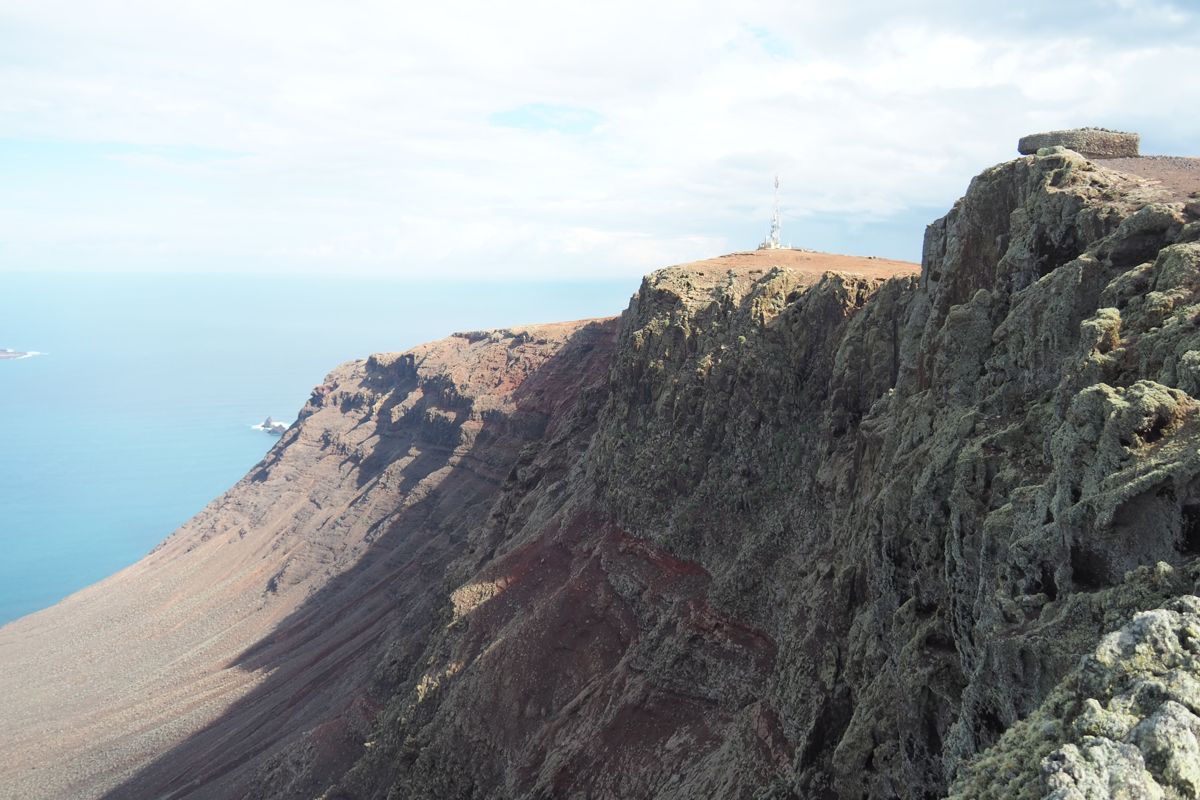
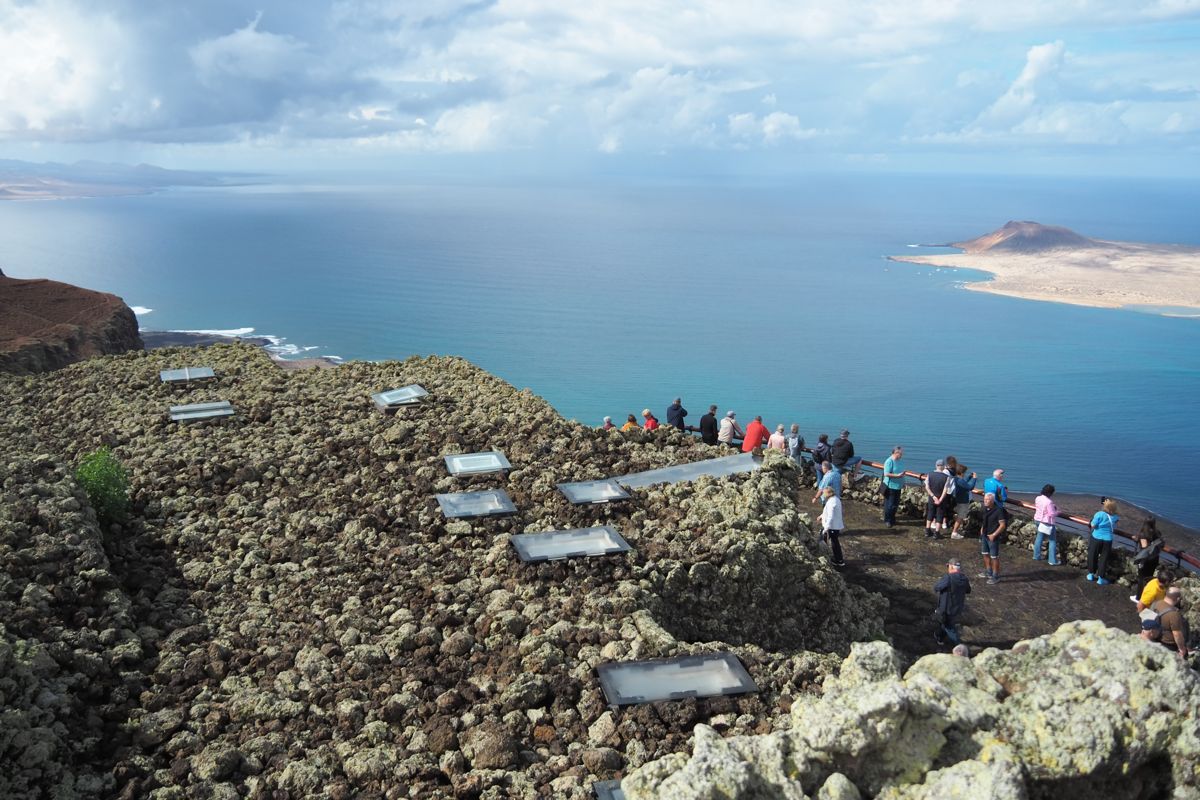
On the first full day we drove to the northern tip of the island, across black volcanic fields, to the Mirador del Río. Manrique hid this viewpoint inside the cliff edge, almost five hundred metres above the sea, and from its terrace you look straight down over the strait to the island of La Graciosa, its white village and the salt pans below.
15 Nov · Spain
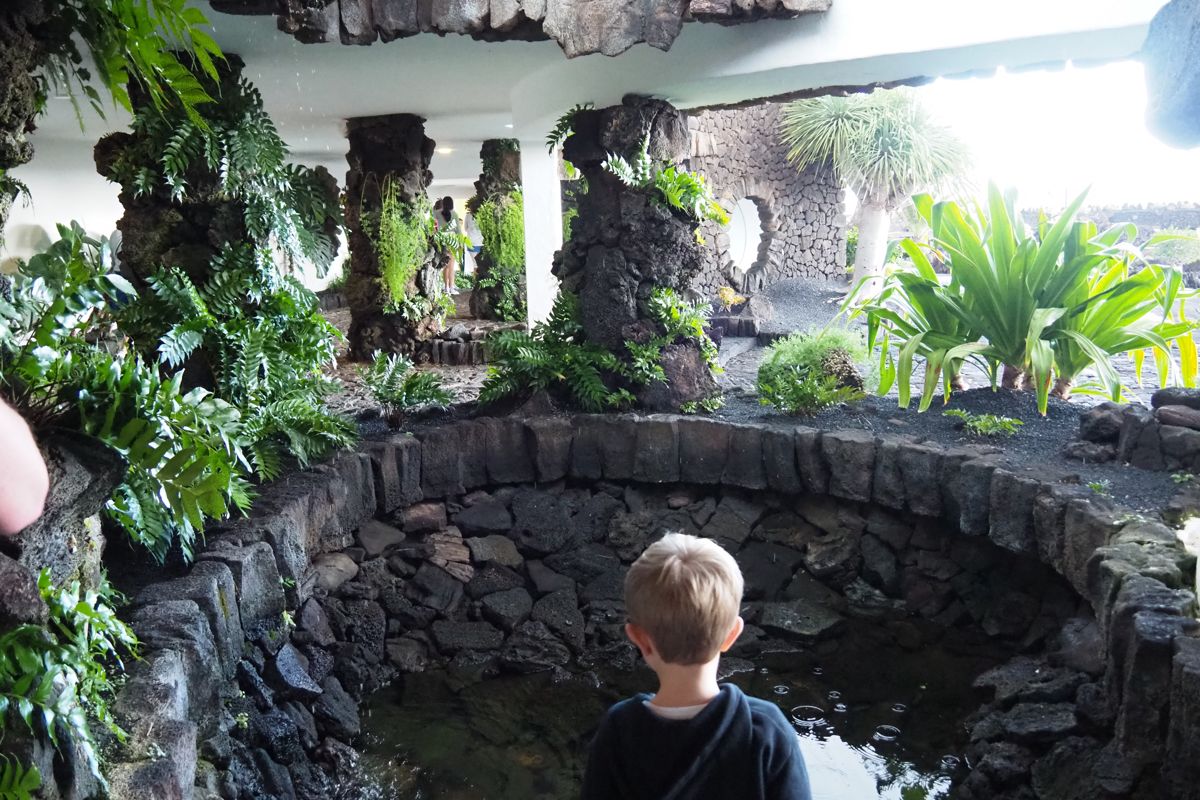
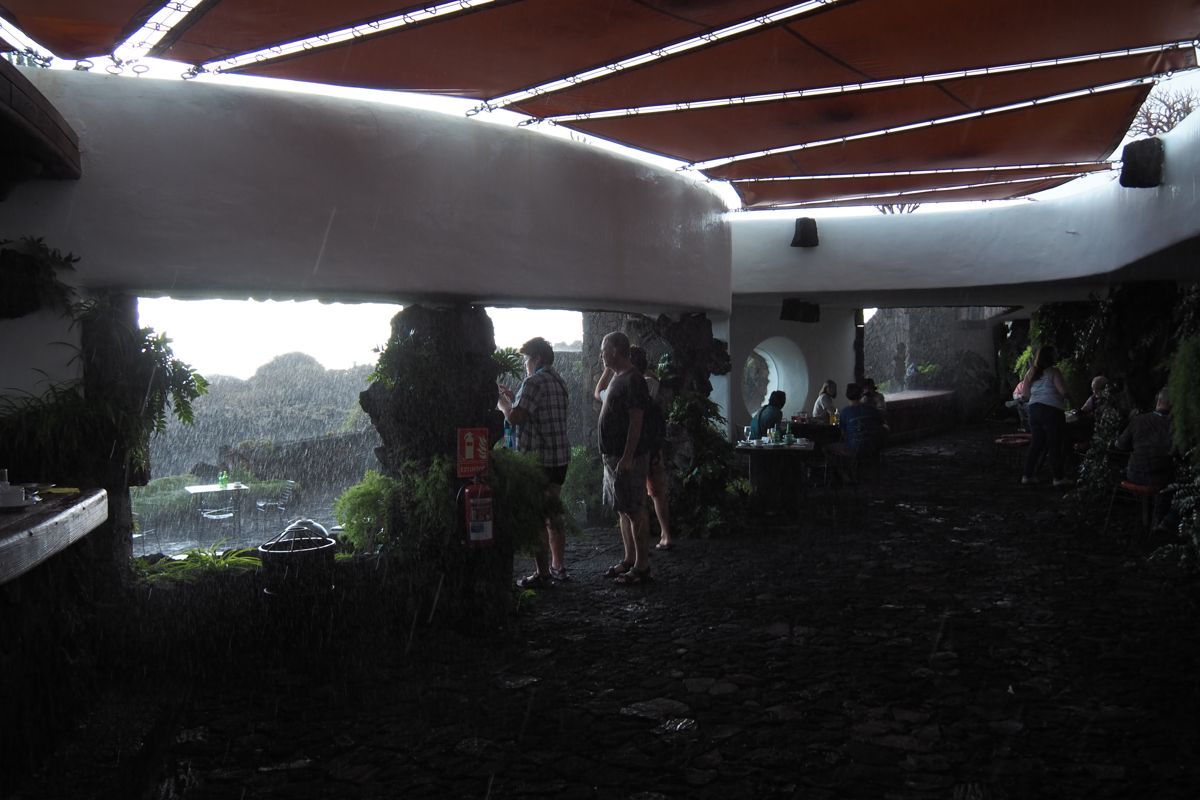
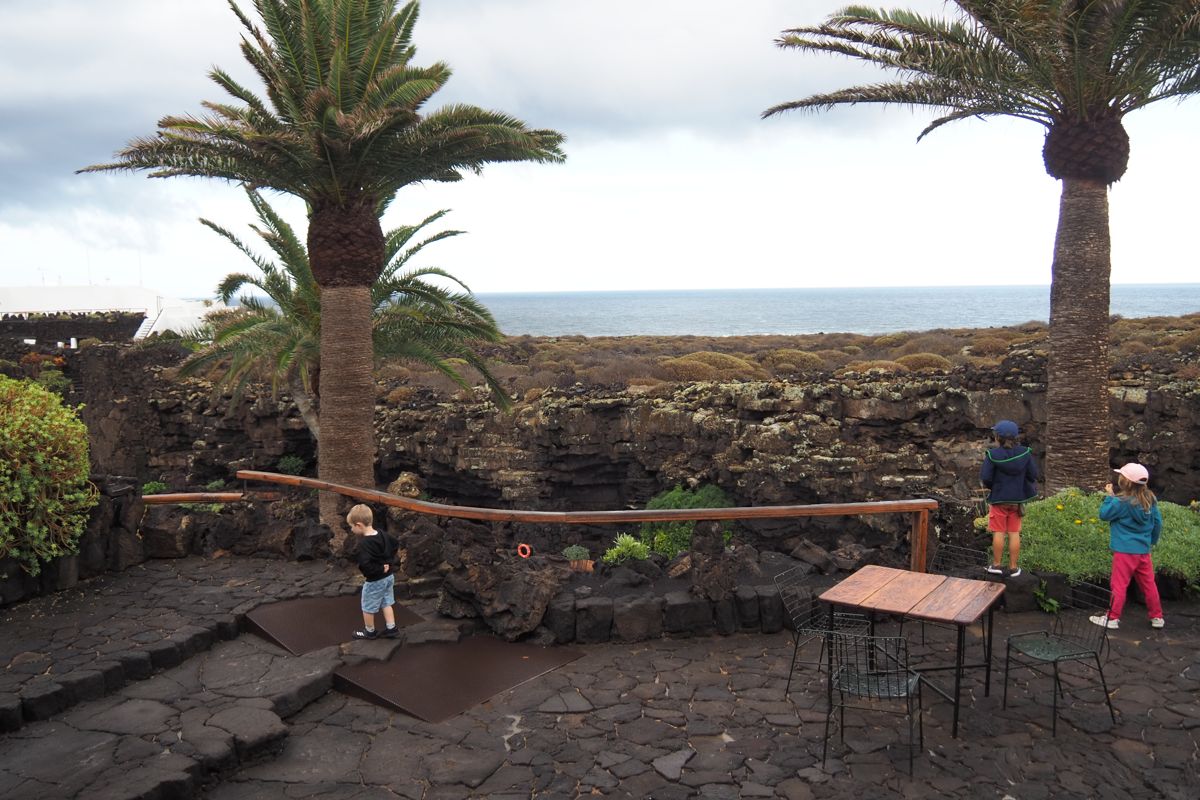
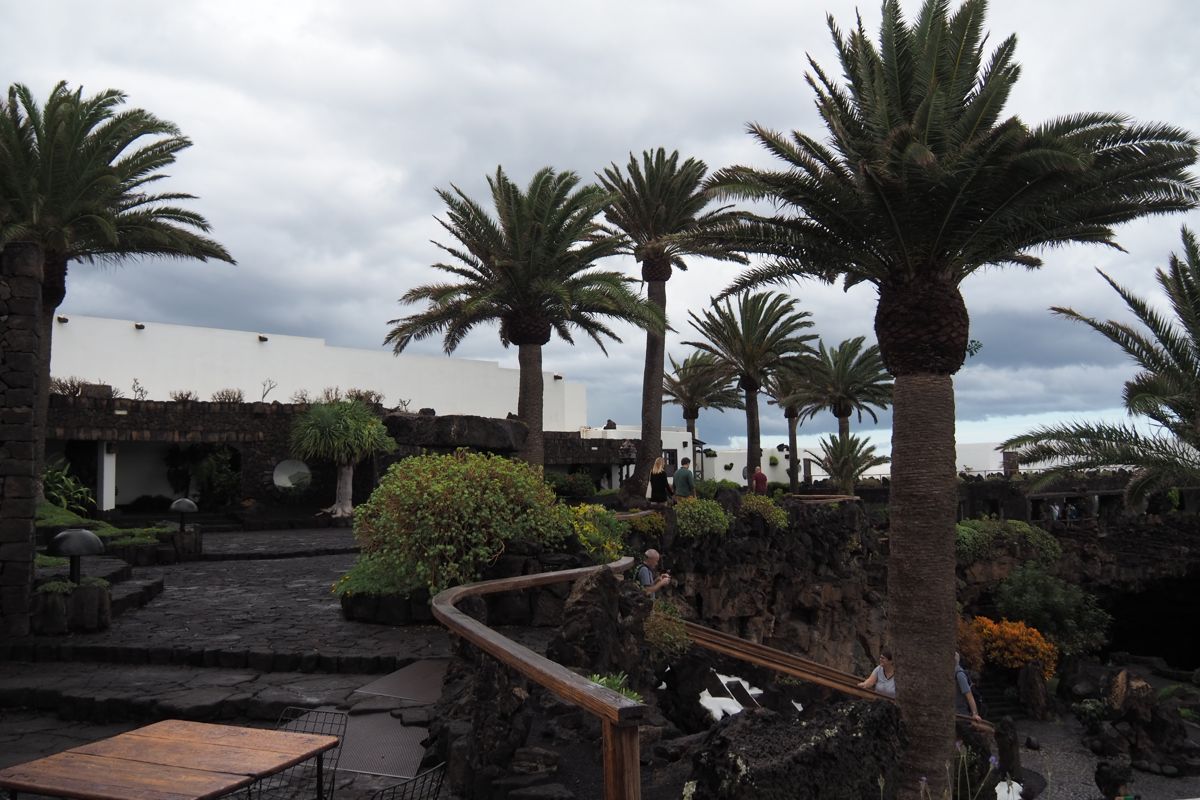
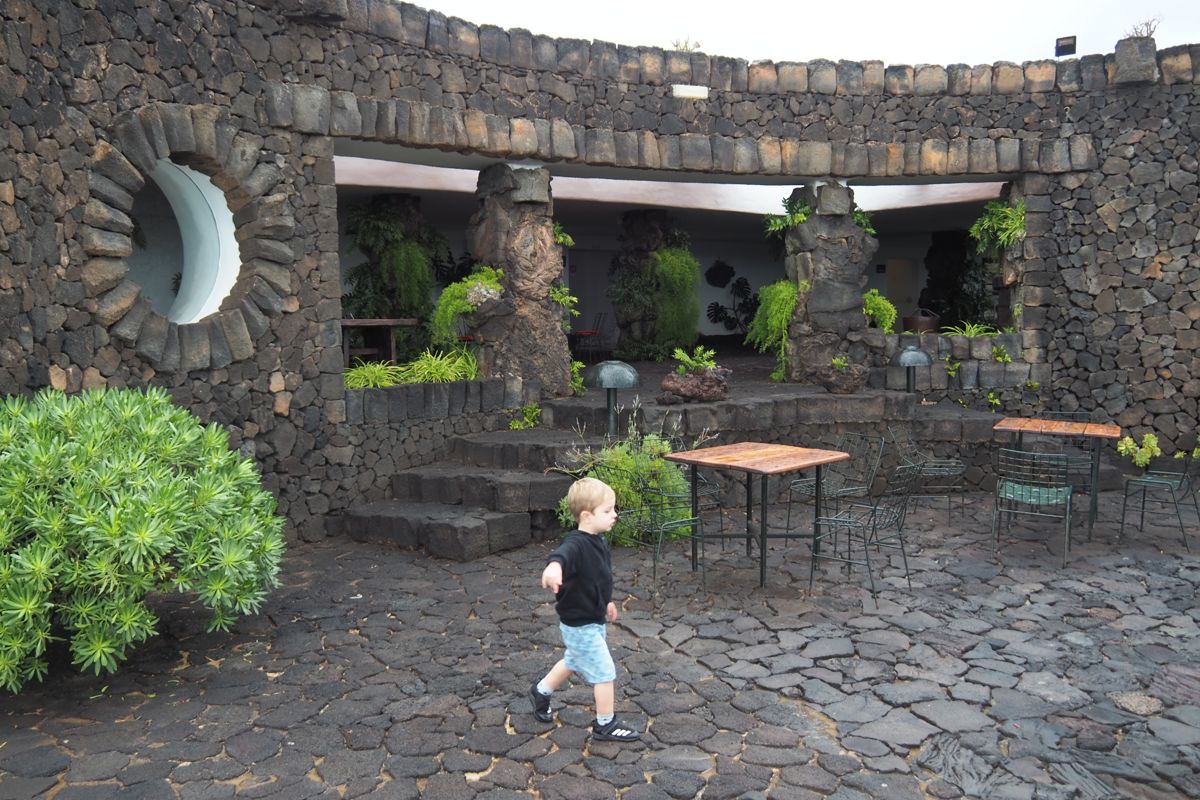
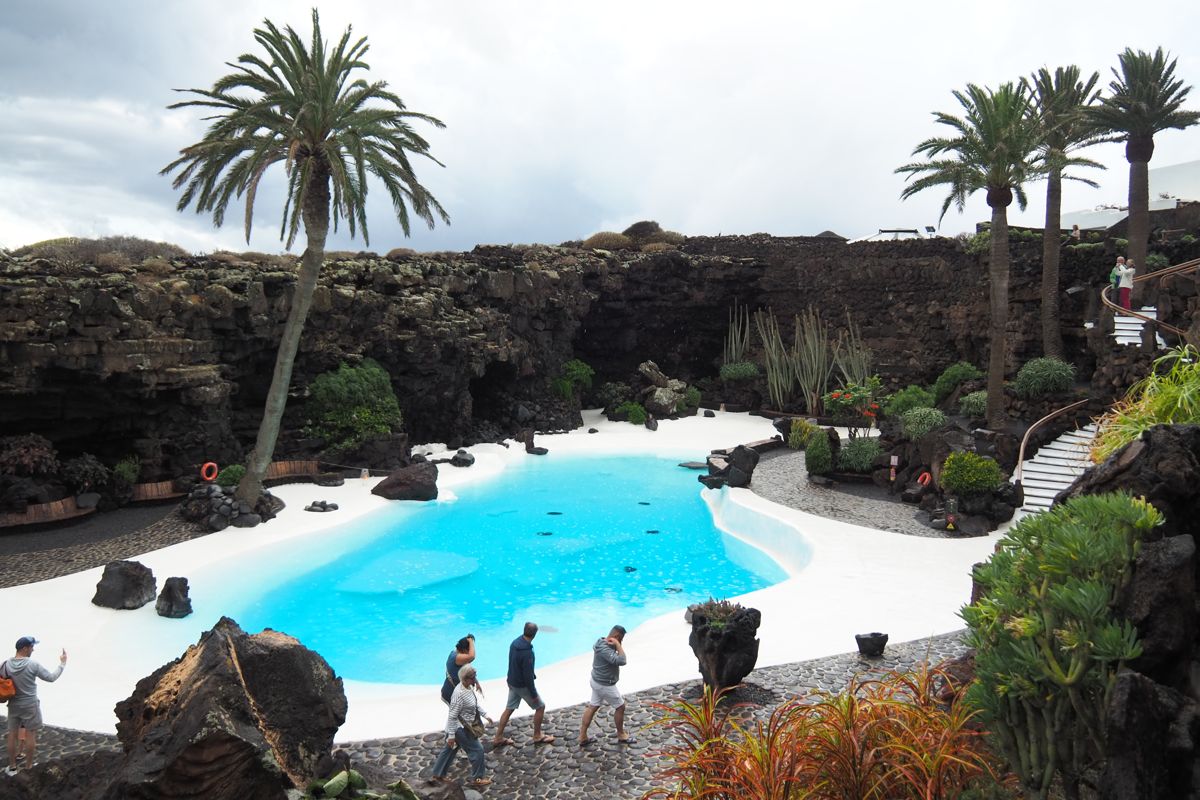
Nearby, the Jameos del Agua is a lava tube whose roof has partly collapsed. Manrique turned it into a garden of palms and ferns, a dark underground lake with tiny white blind crabs, a concert hall in the rock and, in the open part of the tube, a brilliant white pool with turquoise water.
17 Nov · Spain
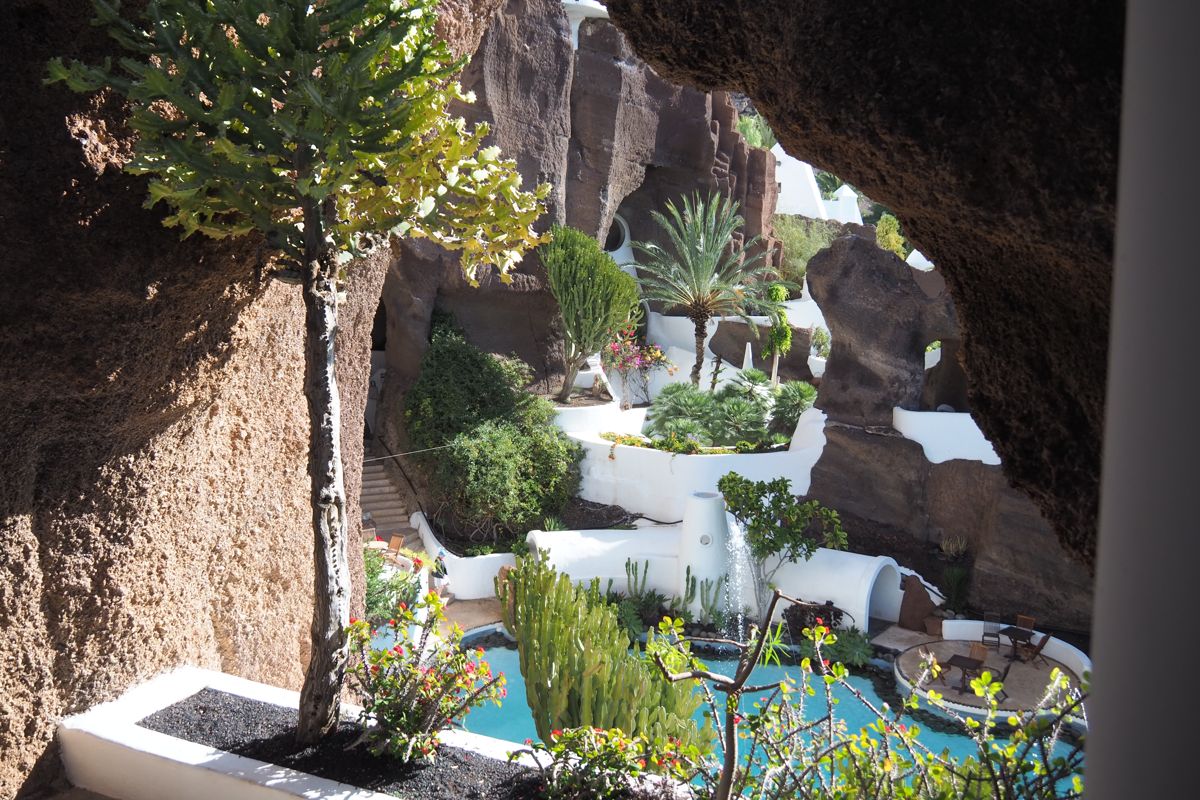
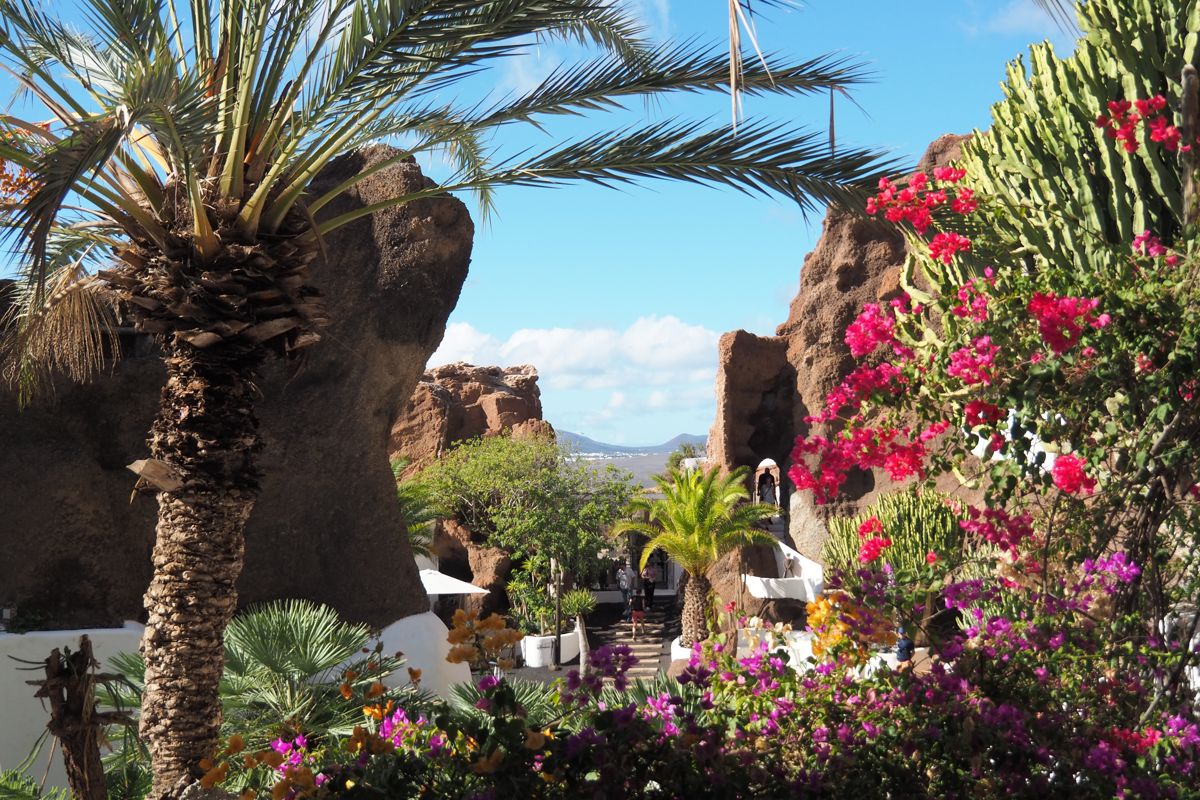
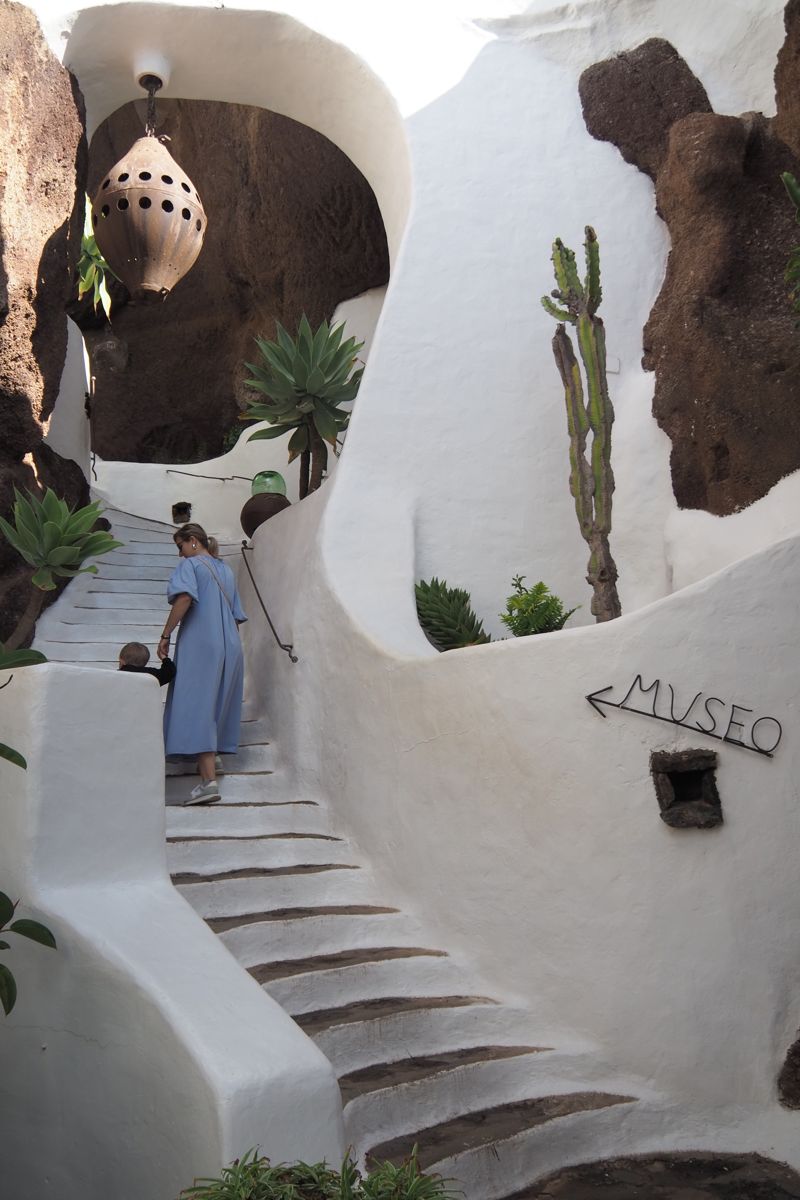
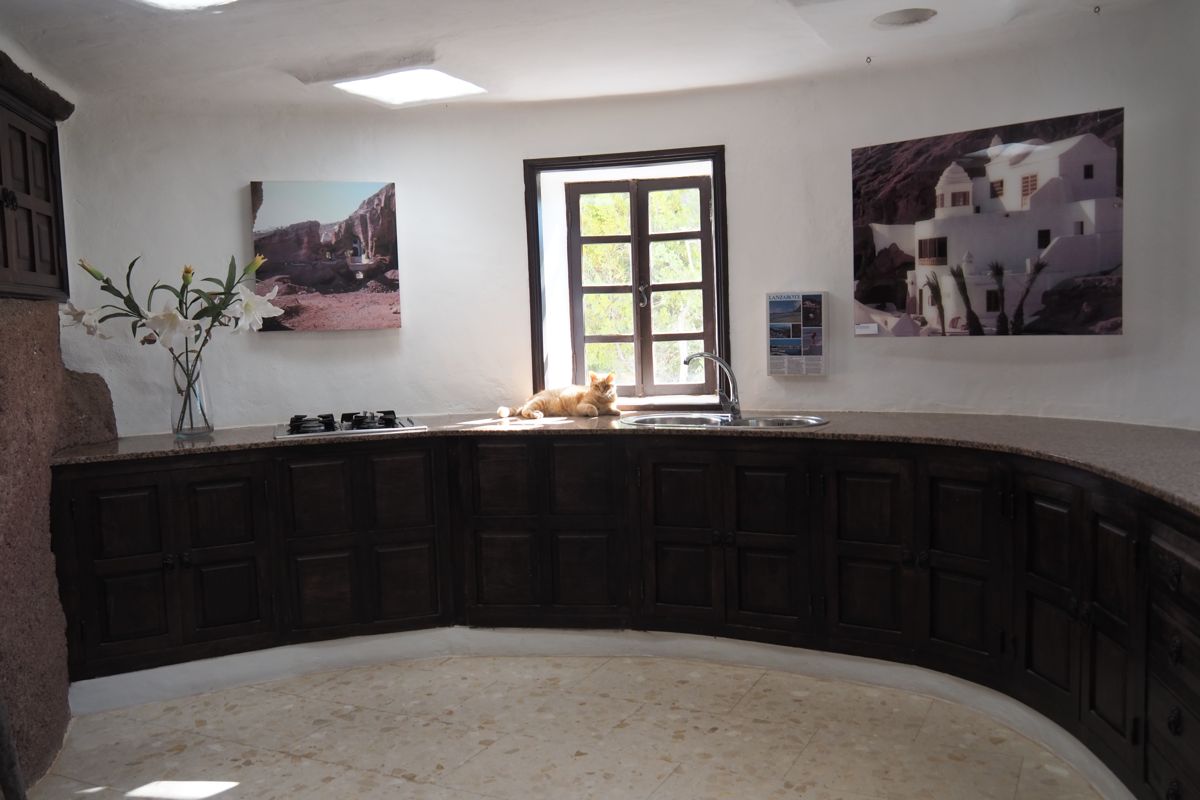
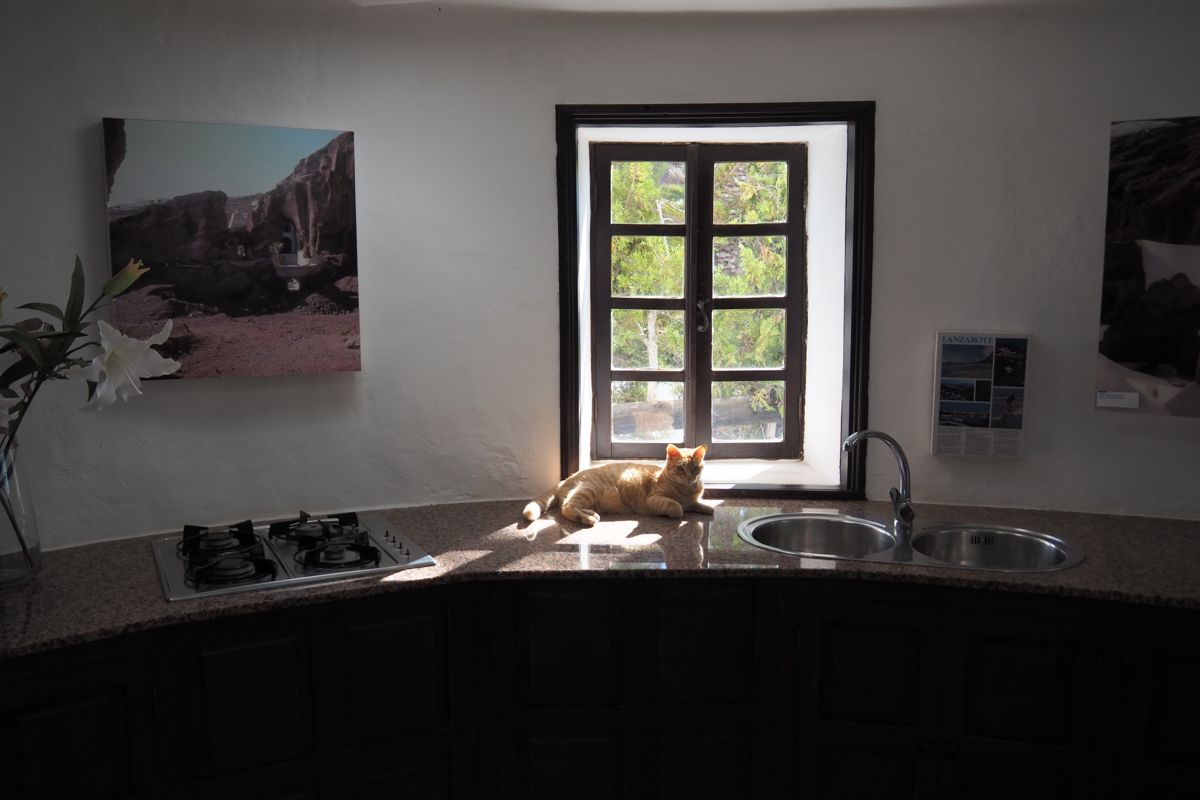
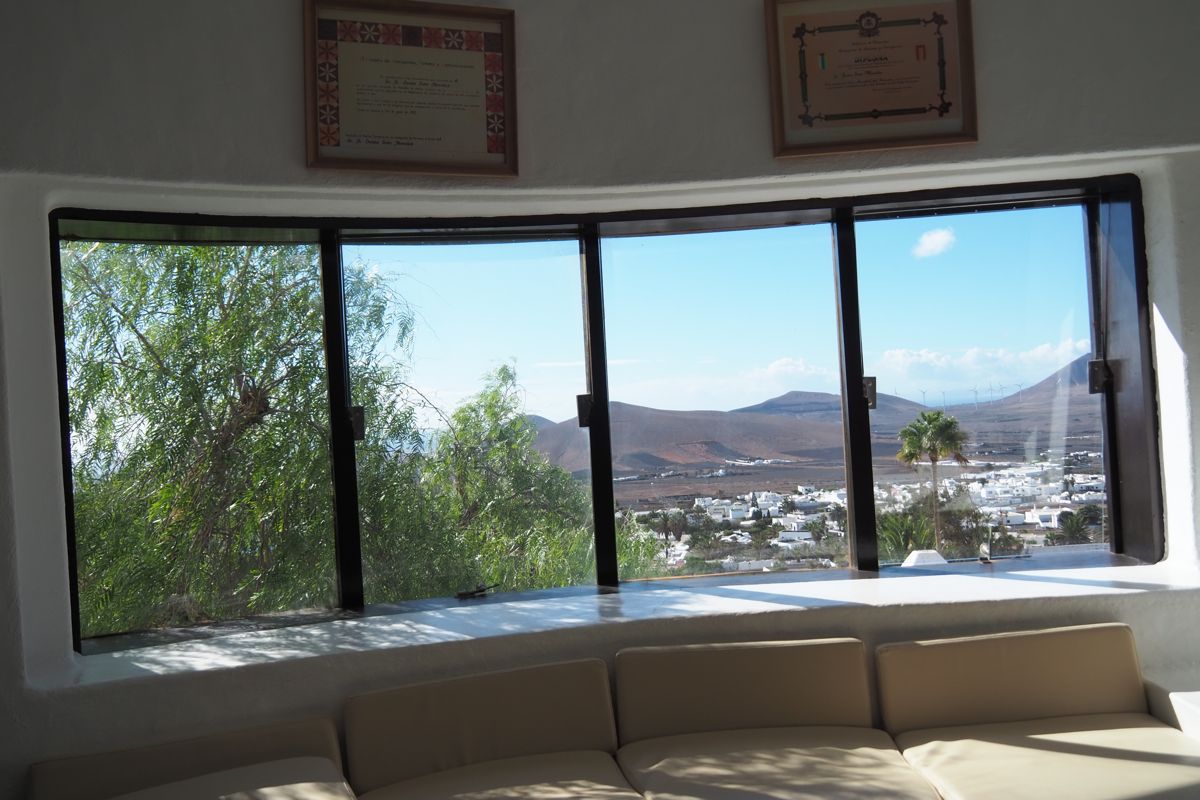
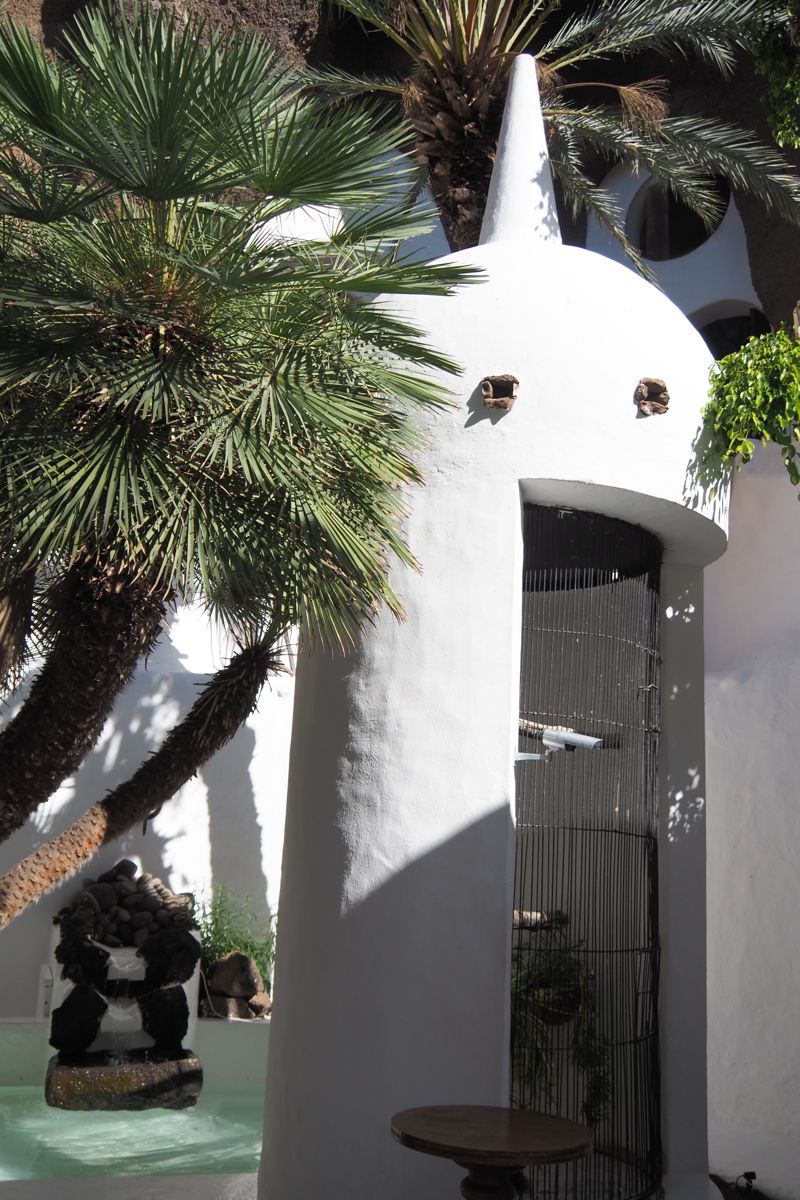
On Sunday morning we visited LagOmar in Nazaret, just outside Teguise: a house built in the 1970s into the walls of an old volcanic quarry, in the spirit of César Manrique. White stairways, terraces and rooms are tucked into the rock, linked by tunnels and caves, around a turquoise pool with palms and cacti. The story goes that Omar Sharif bought it while filming on the island and lost it soon after in a game of bridge. Today it is a museum with a café.
17 Nov · Spain
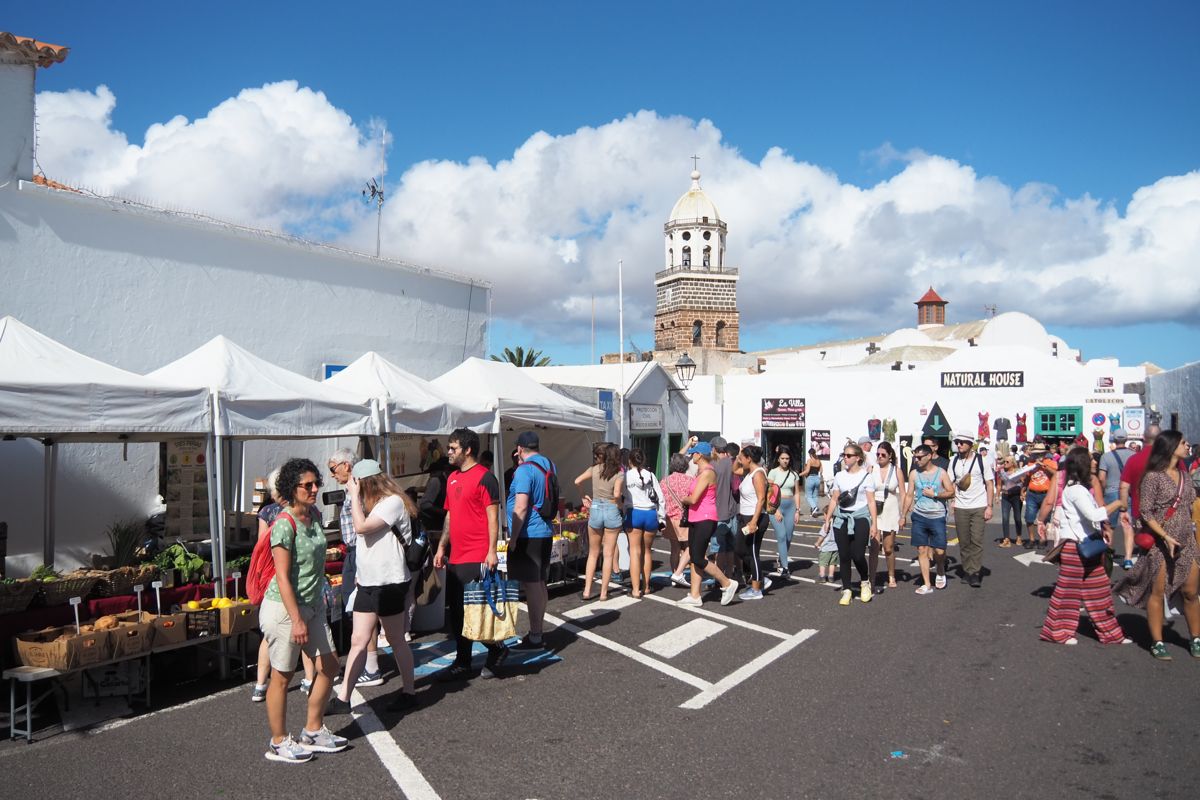
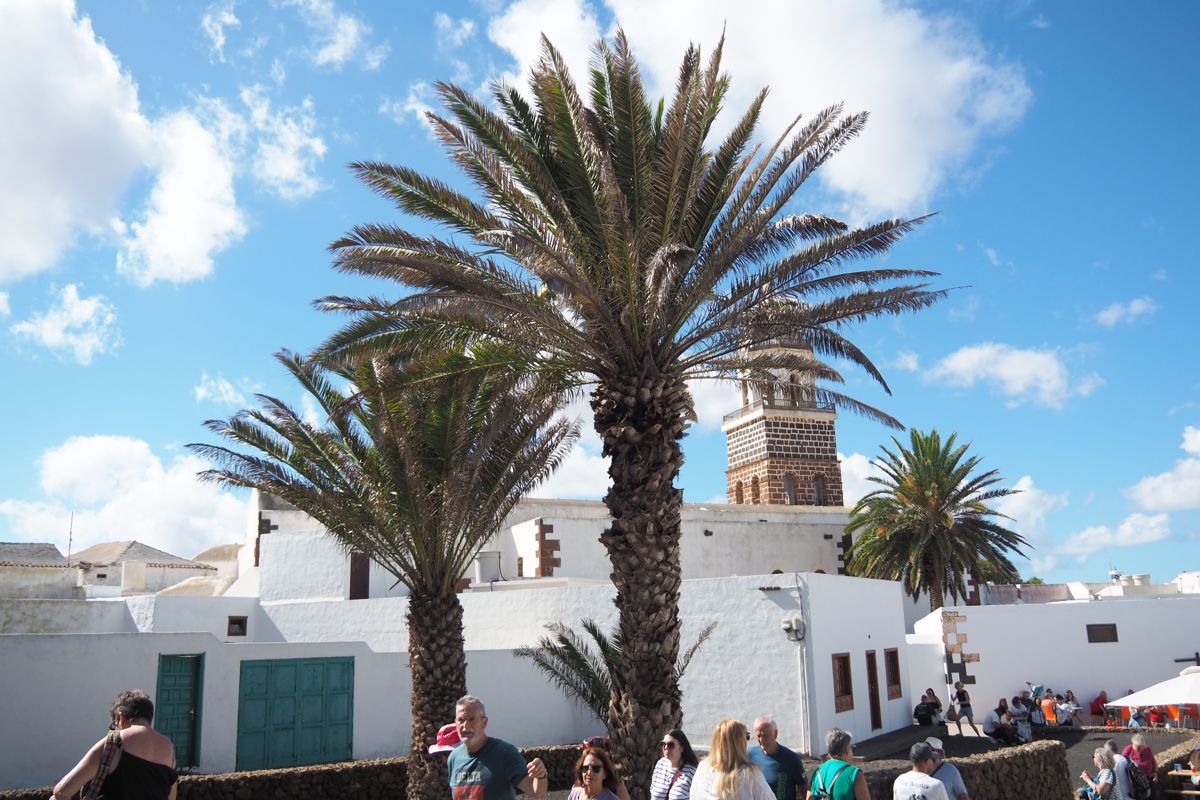
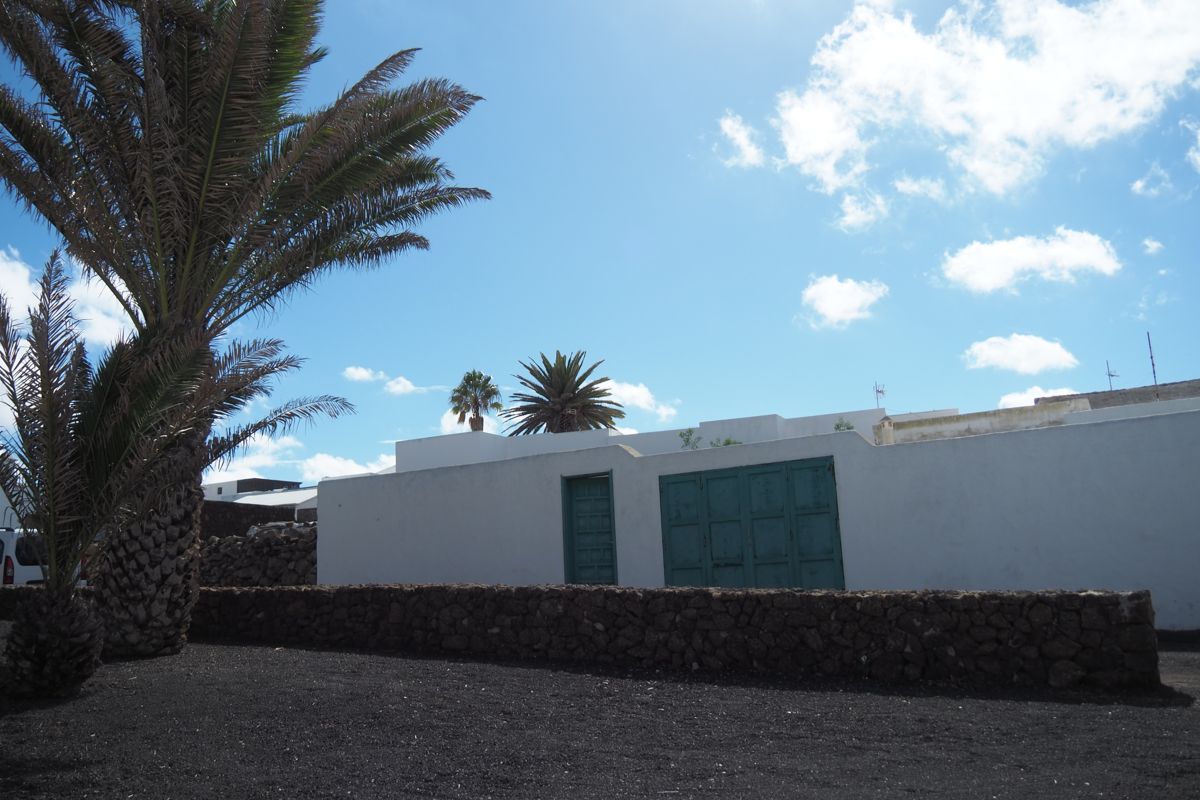
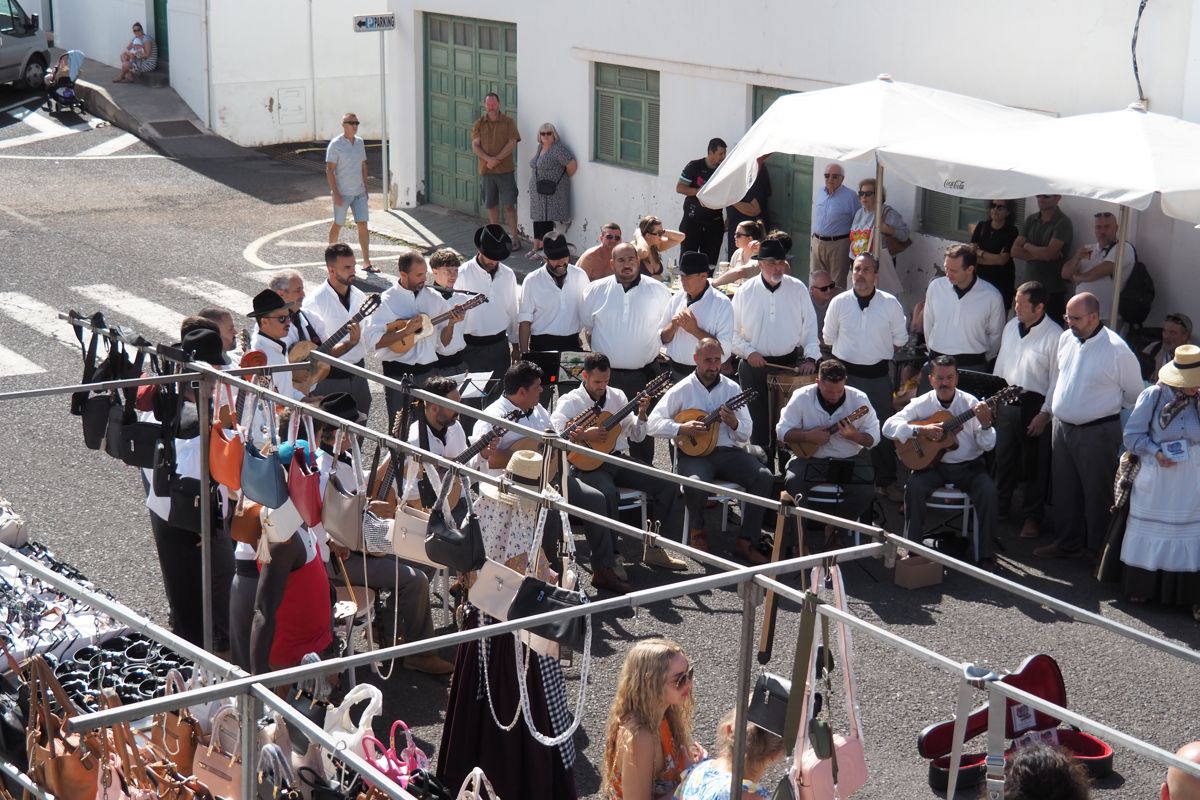
Just up the road lies Teguise, the island’s old capital, a quiet town of whitewashed houses and green shutters around the church of Nuestra Señora de Guadalupe. On Sunday mornings it hosts the island’s biggest market, with stalls in every street and a group of musicians playing traditional Canarian music in the square.
The next afternoon we flew home.