29 Aug – 15 Sep 2008 · Morocco · Spain
Morocco
Eighteen days from the red walls of Marrakesh to the Atlantic coast, with one night in Barcelona on the way home
29 Aug – 15 Sep 2008 · Morocco · Spain
Eighteen days from the red walls of Marrakesh to the Atlantic coast, with one night in Barcelona on the way home
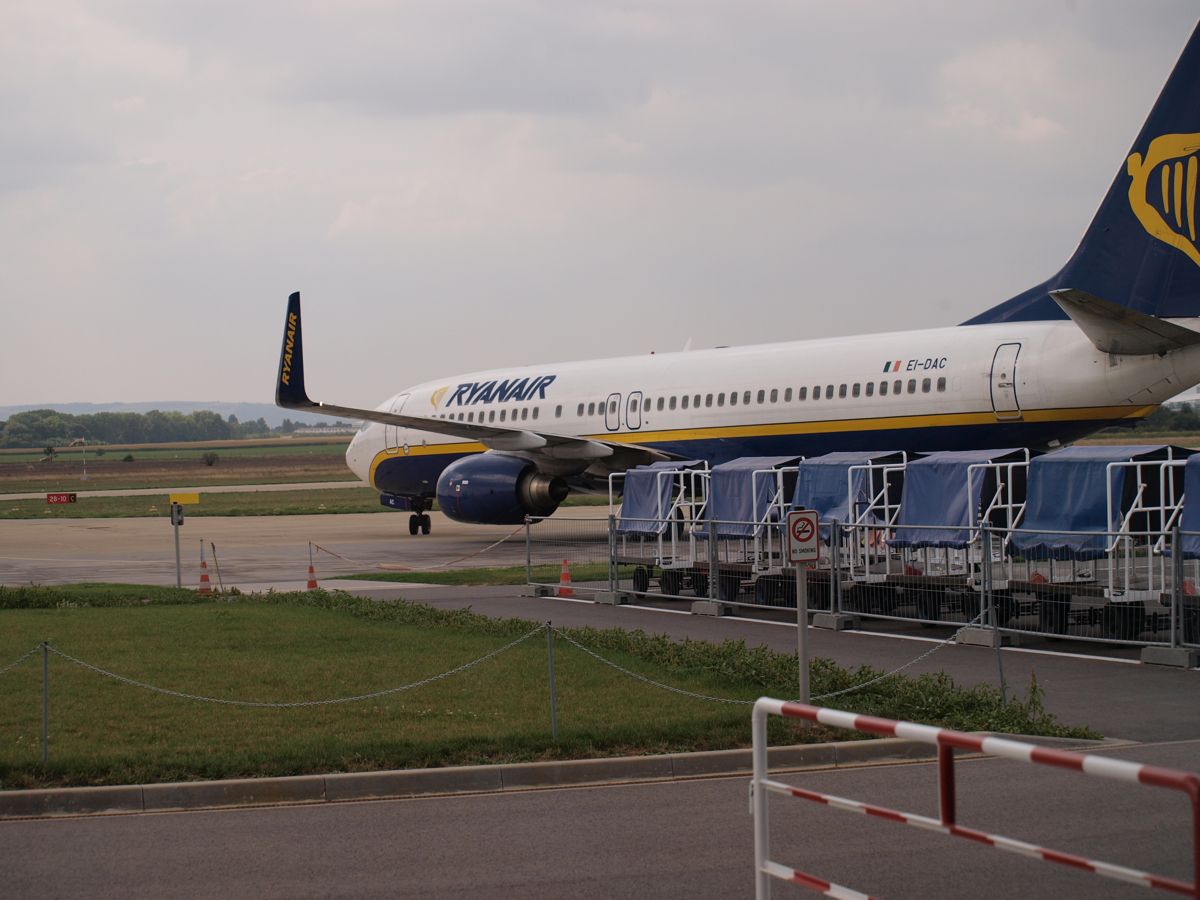
In late summer 2008 we flew from Prague to Marrakesh for a long loop through Morocco: waterfalls in the Atlas, a night in the Sahara, the Atlantic wind at Essaouira and the old imperial cities of the north.
What follows is a travel journal in photographs, one chapter for each place we stopped. The distances were long, the days were hot and the mint tea was never far away.
The route
29–31 Aug · Morocco
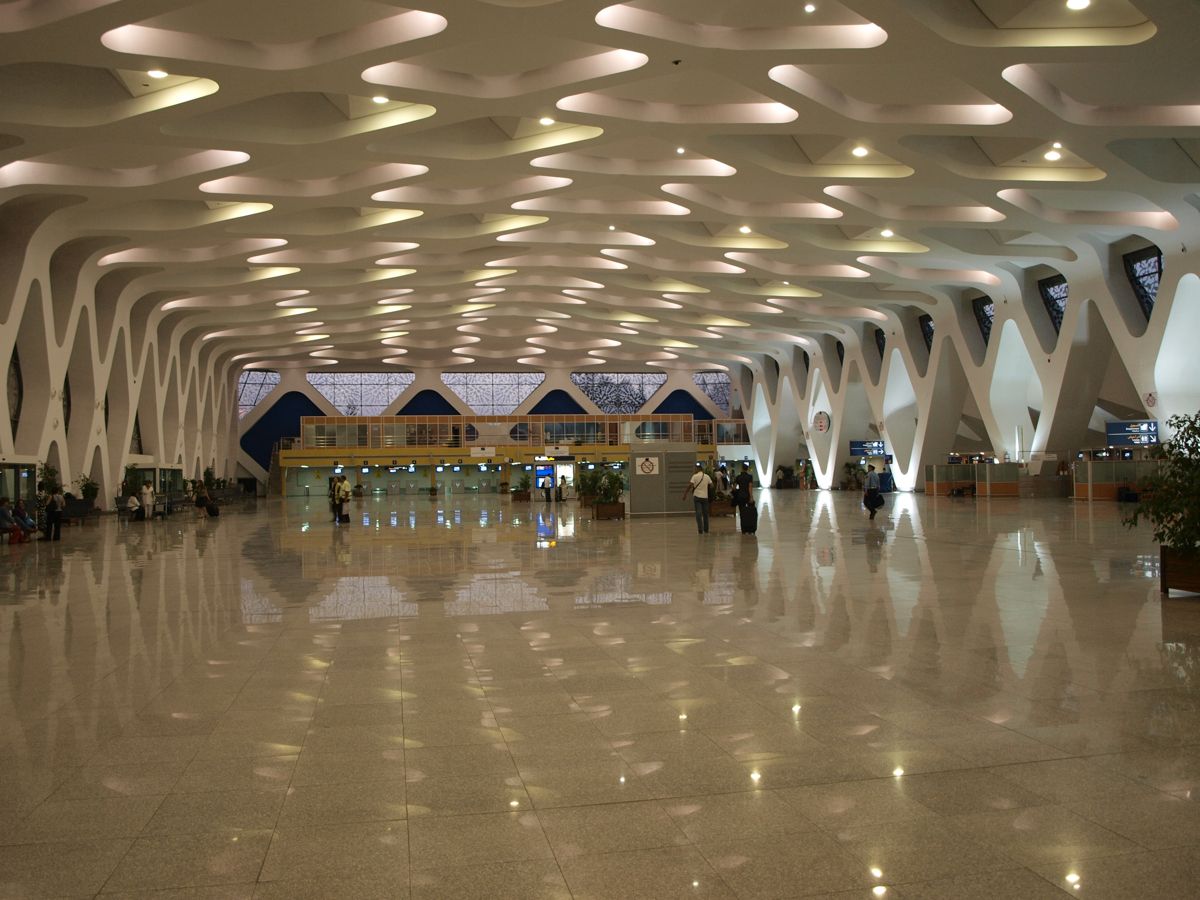
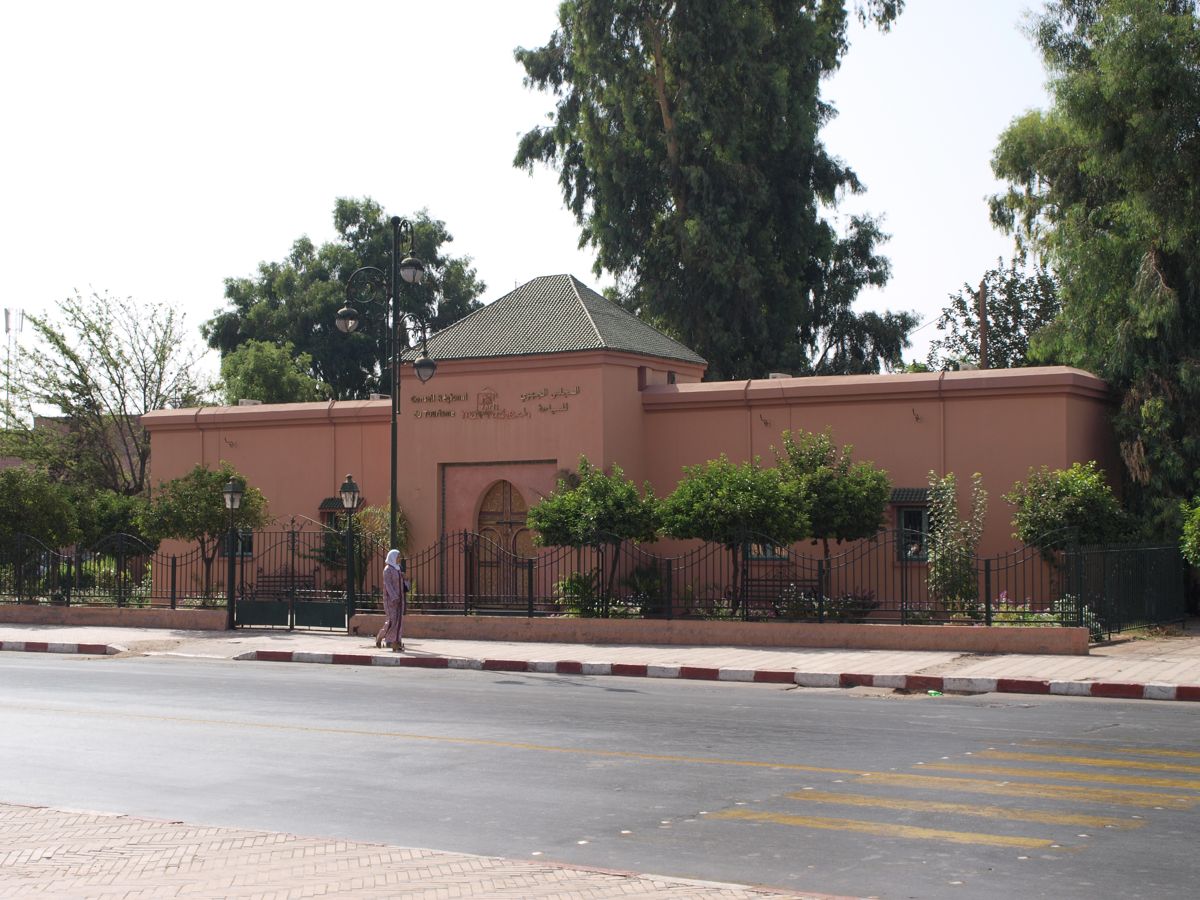
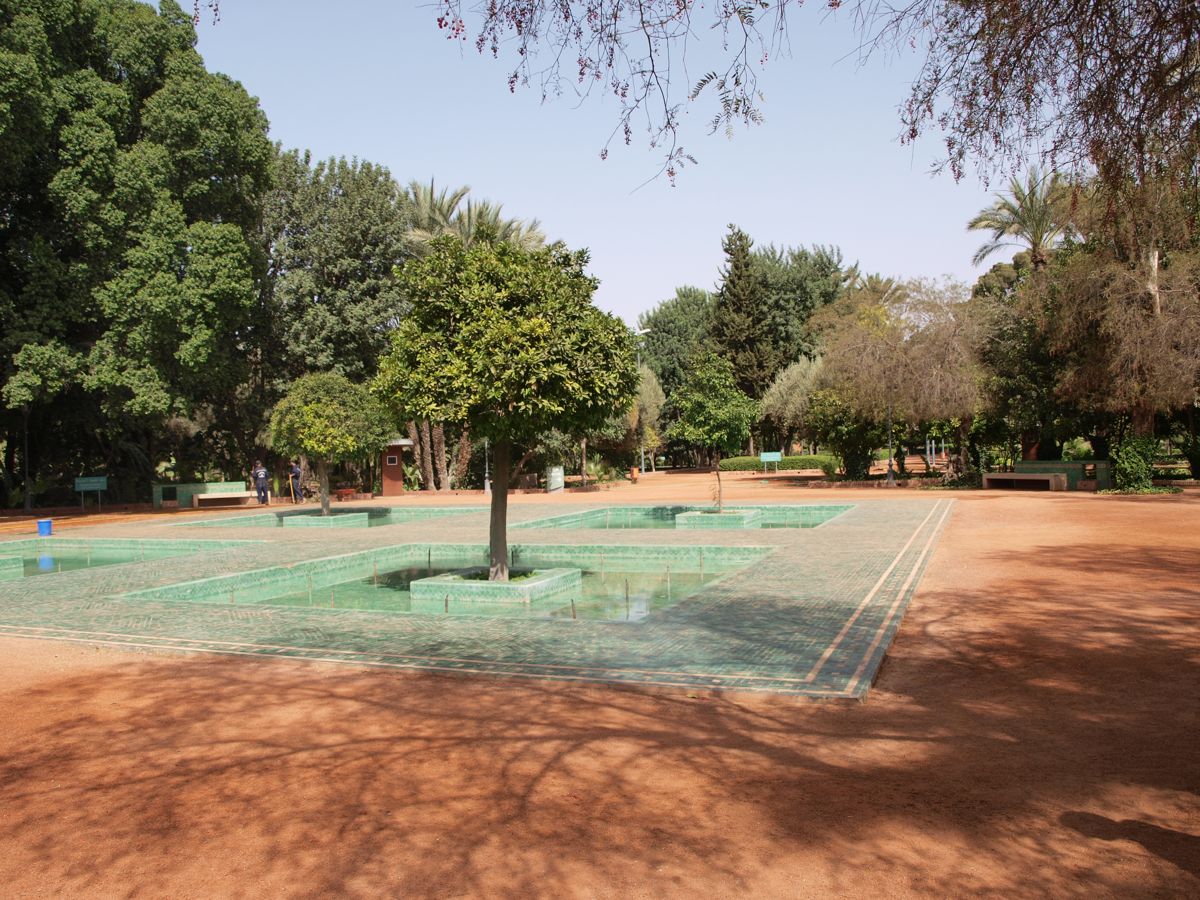
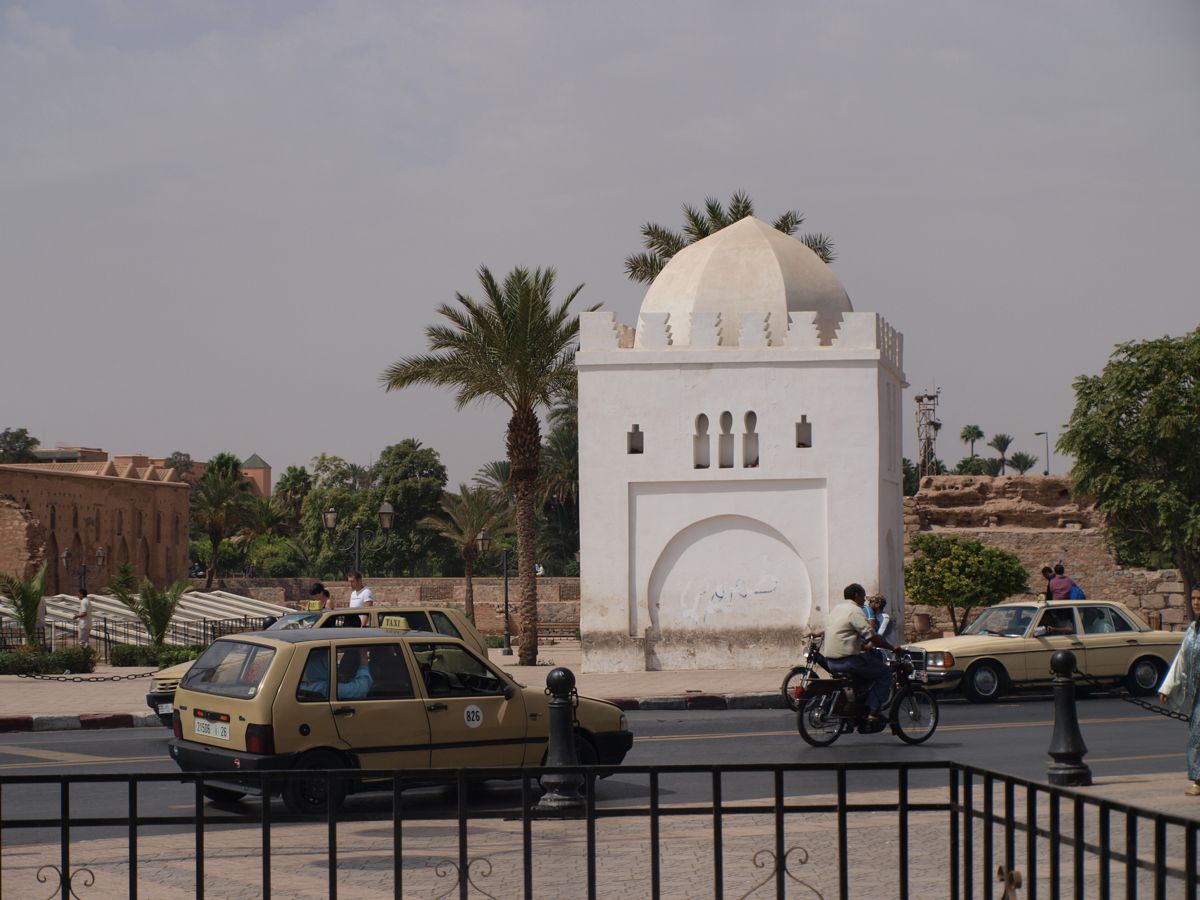
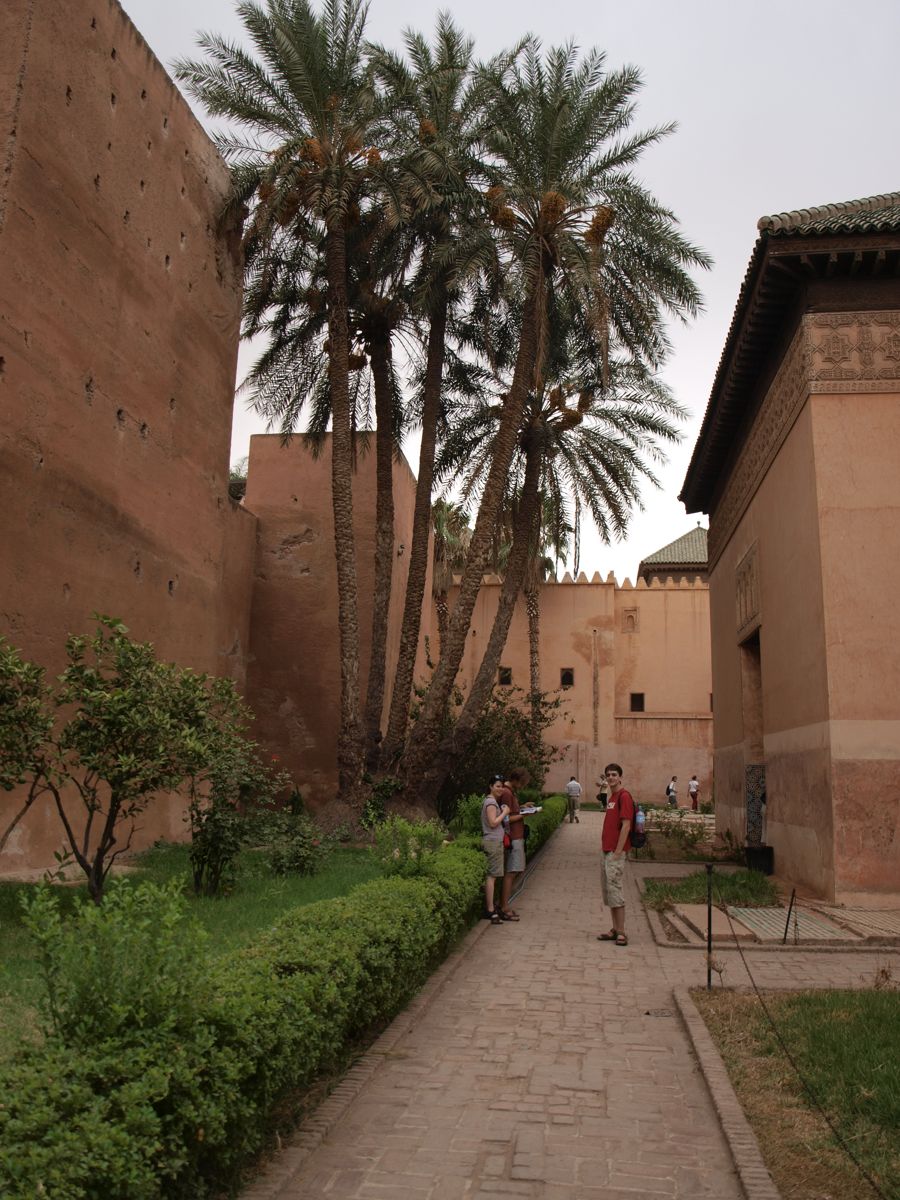
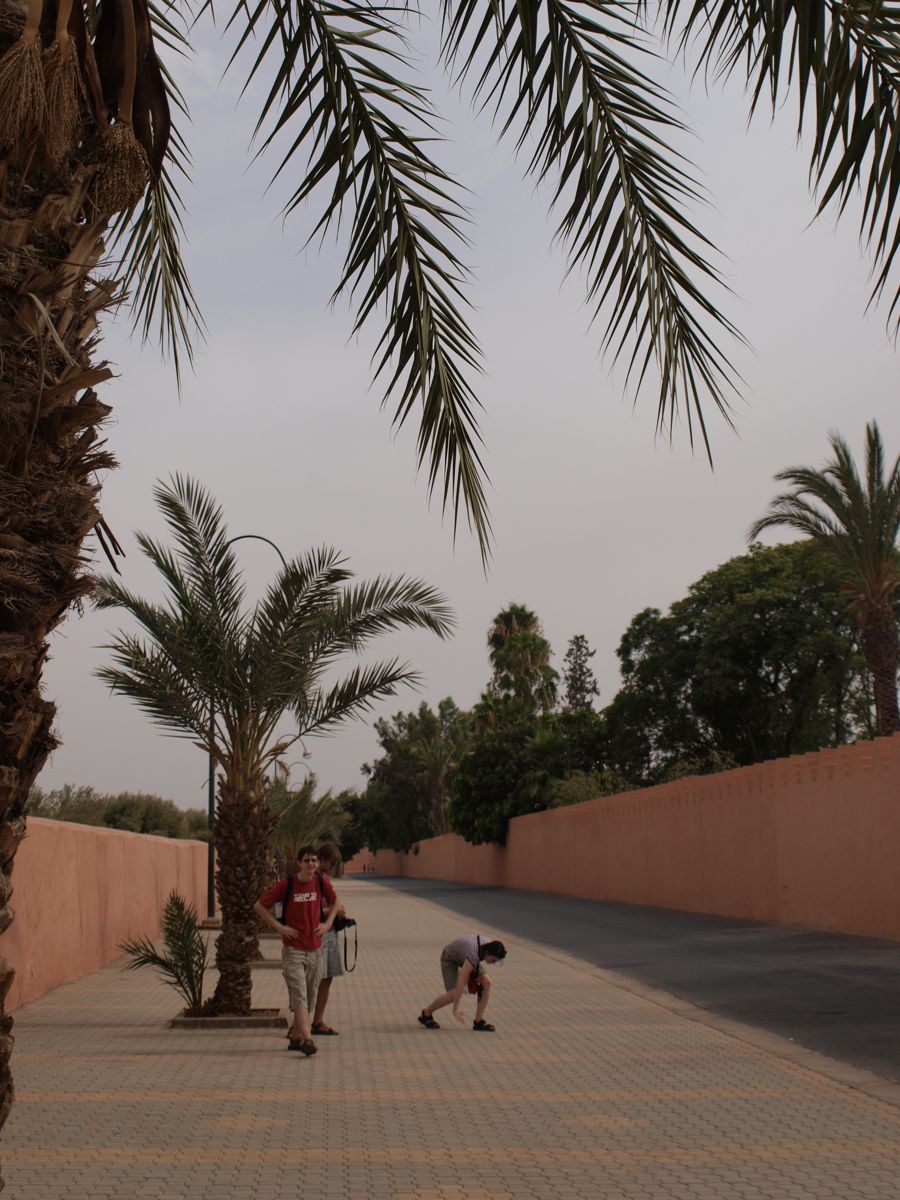
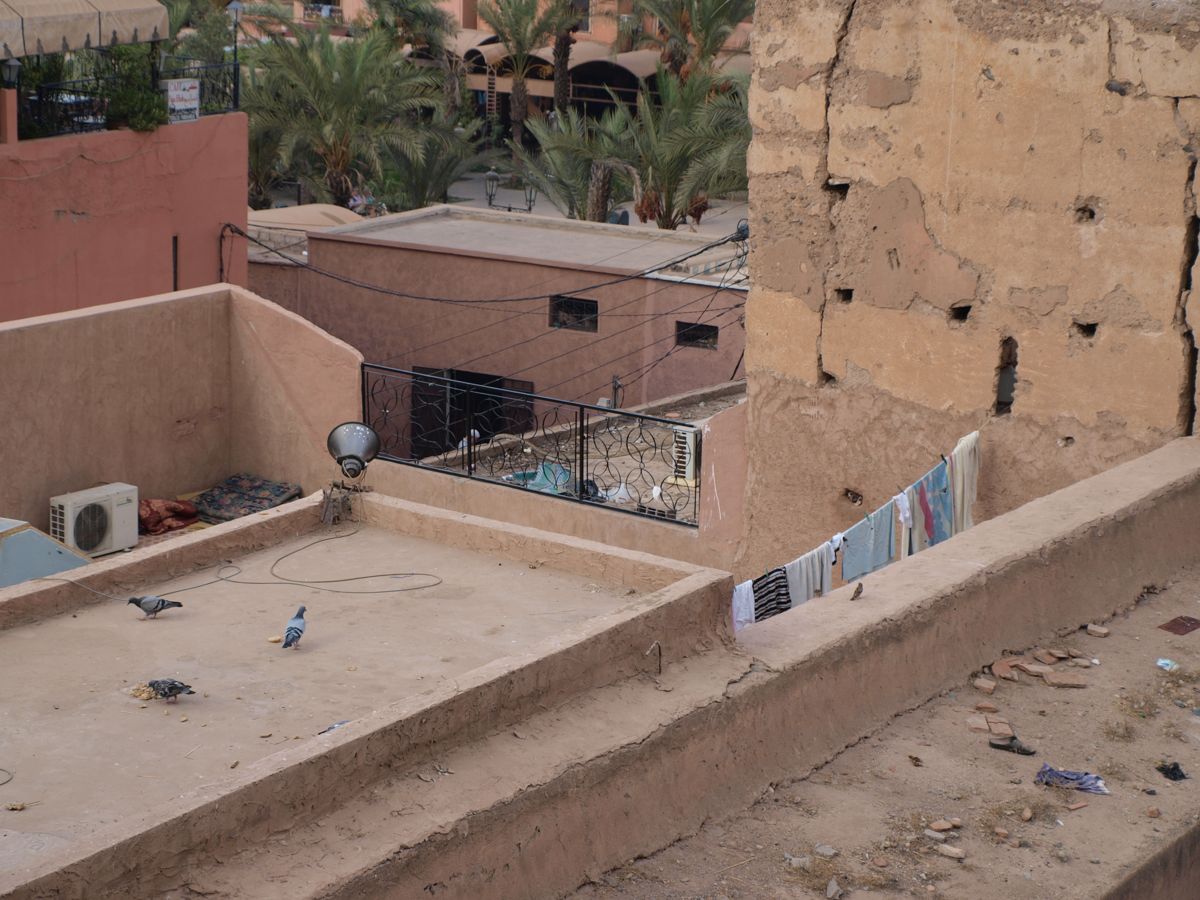
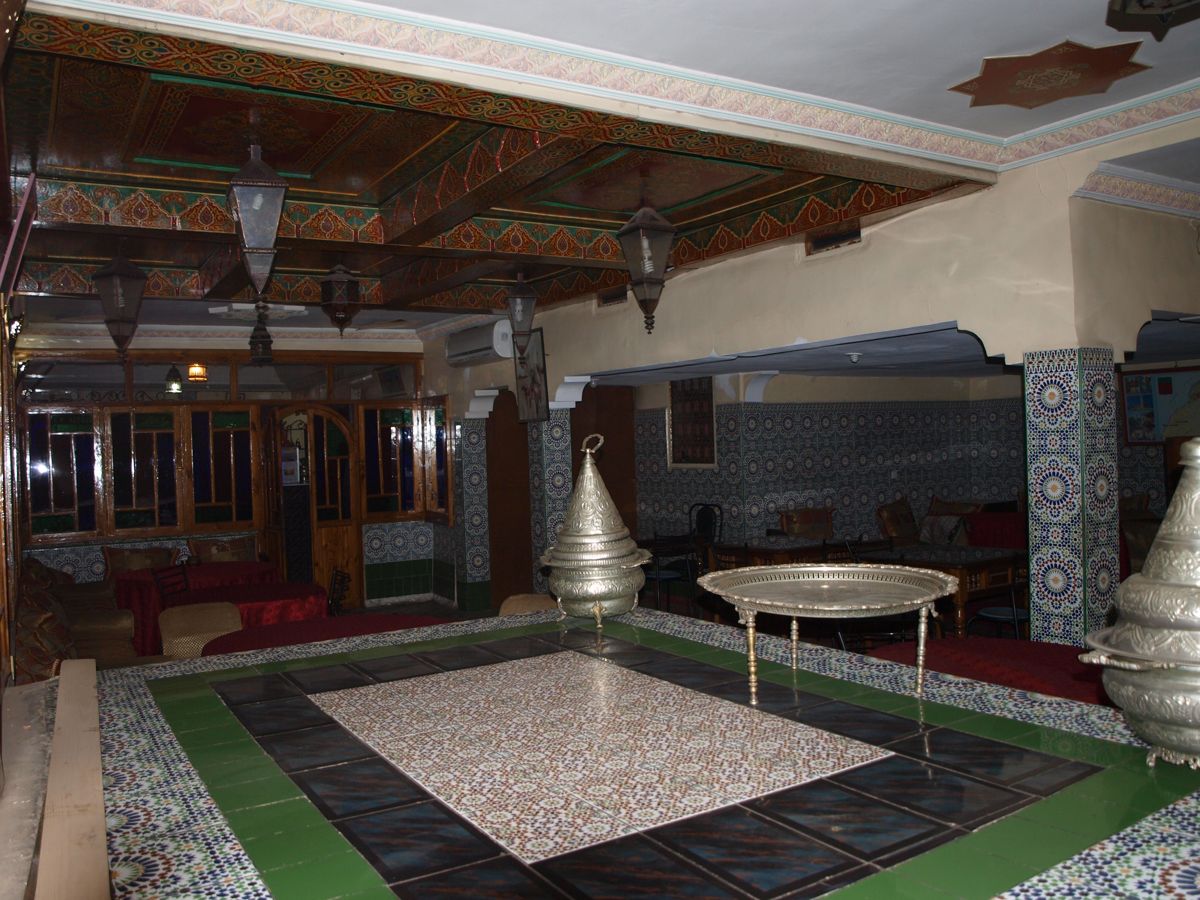
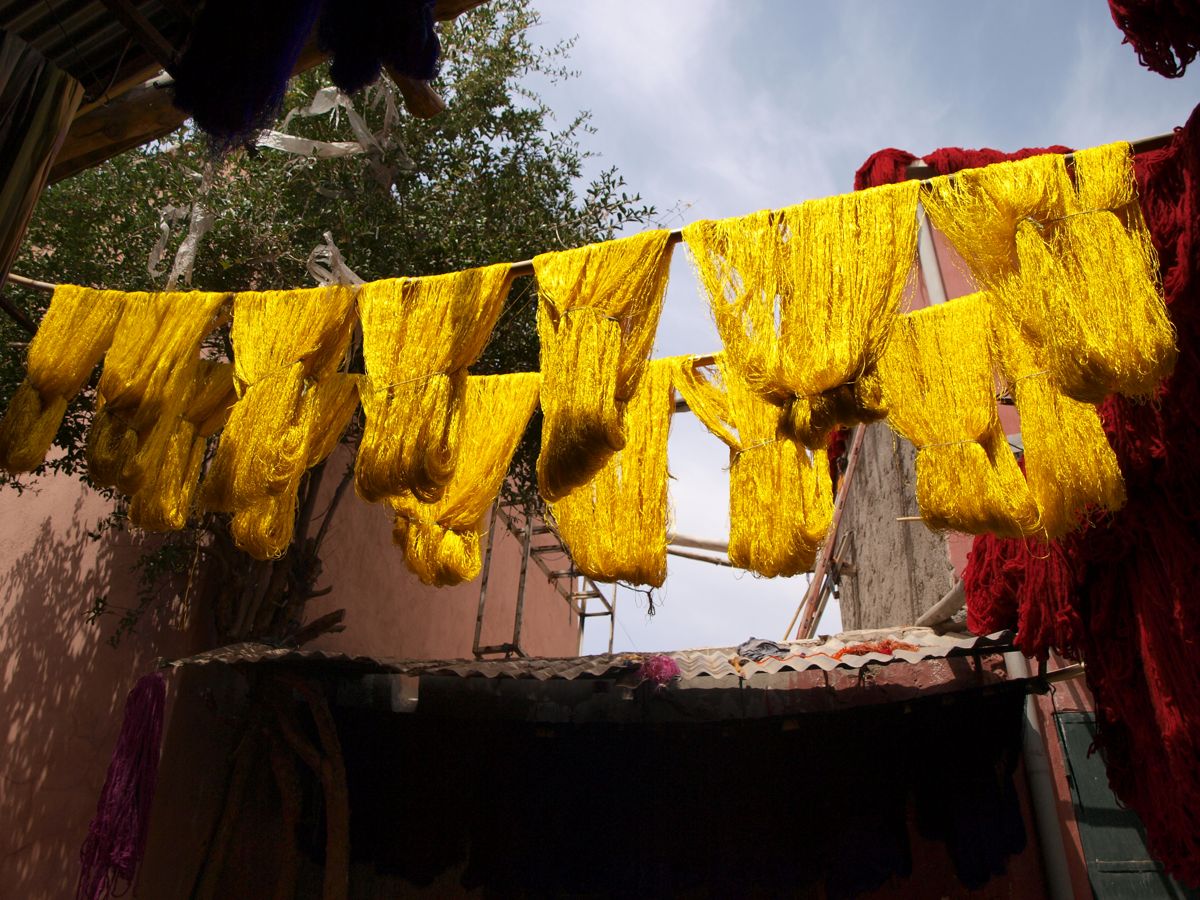
We arrived in the evening and the city was already humming. Marrakesh works in layers: the pink-ochre walls and palm-lined avenues on the outside, and behind them the medina, where the alleys narrow to a shoulder’s width and the souks sell everything from brass lanterns to skeins of wool dyed saffron yellow.
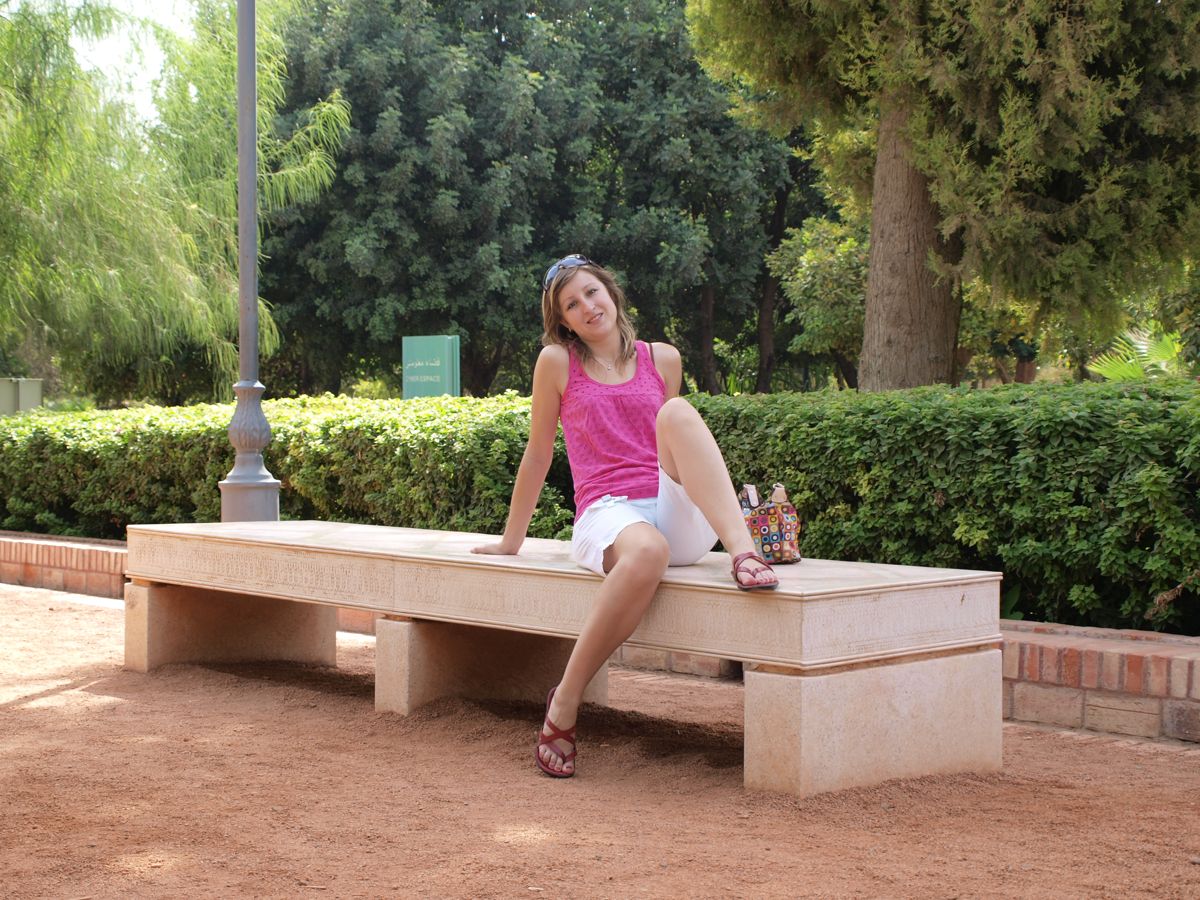
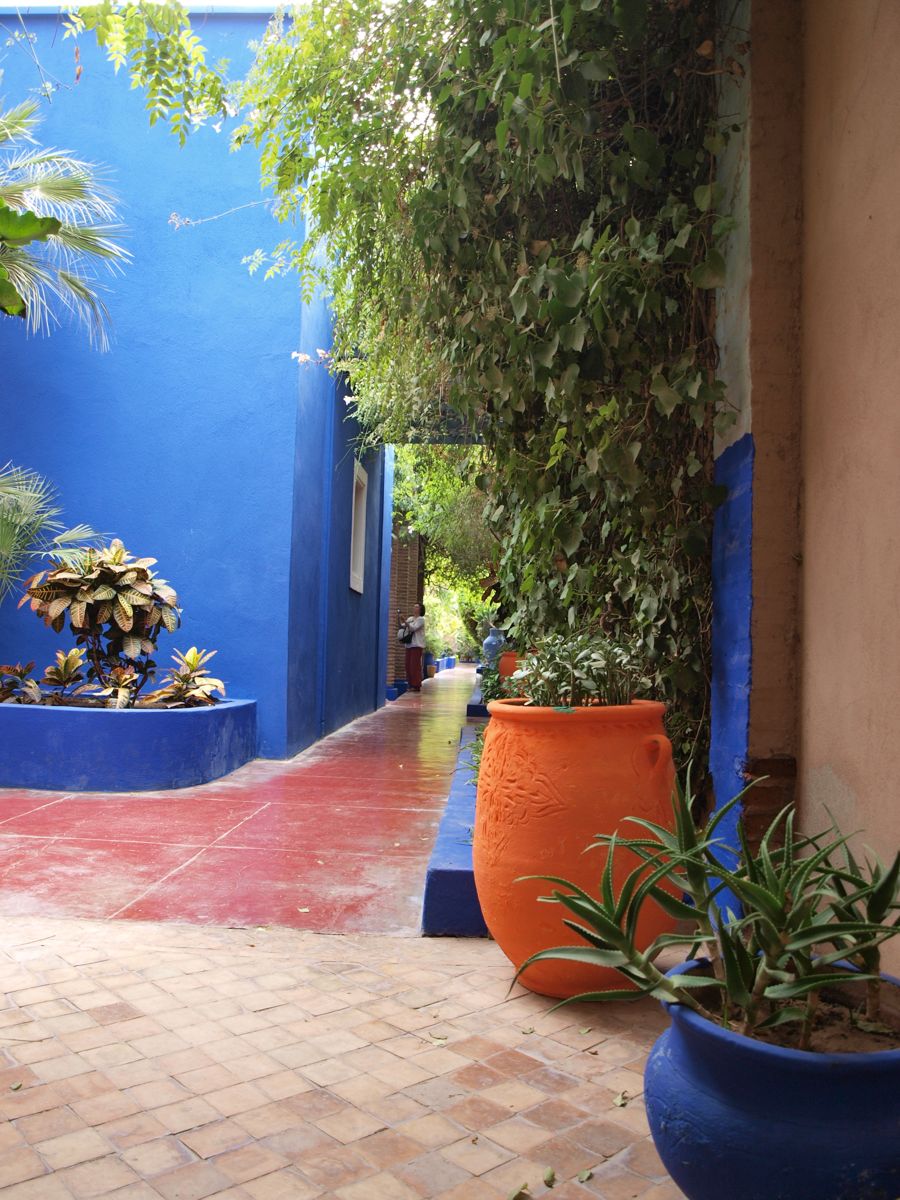
On the last afternoon we escaped the noise at the Majorelle Garden, a cobalt-blue villa among cacti and bamboo, painted by Jacques Majorelle and later rescued by Yves Saint Laurent.
1 Sep · Morocco
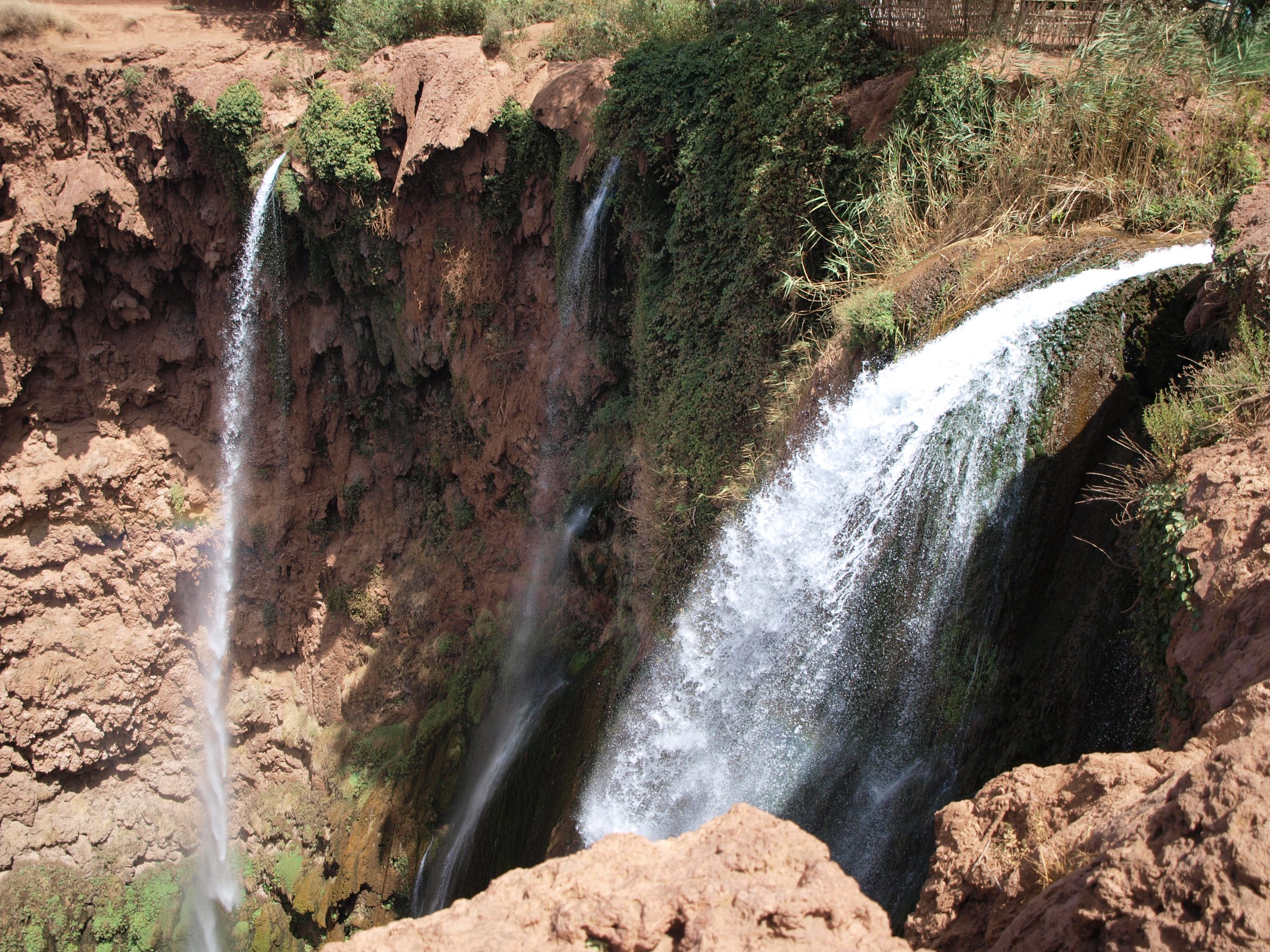
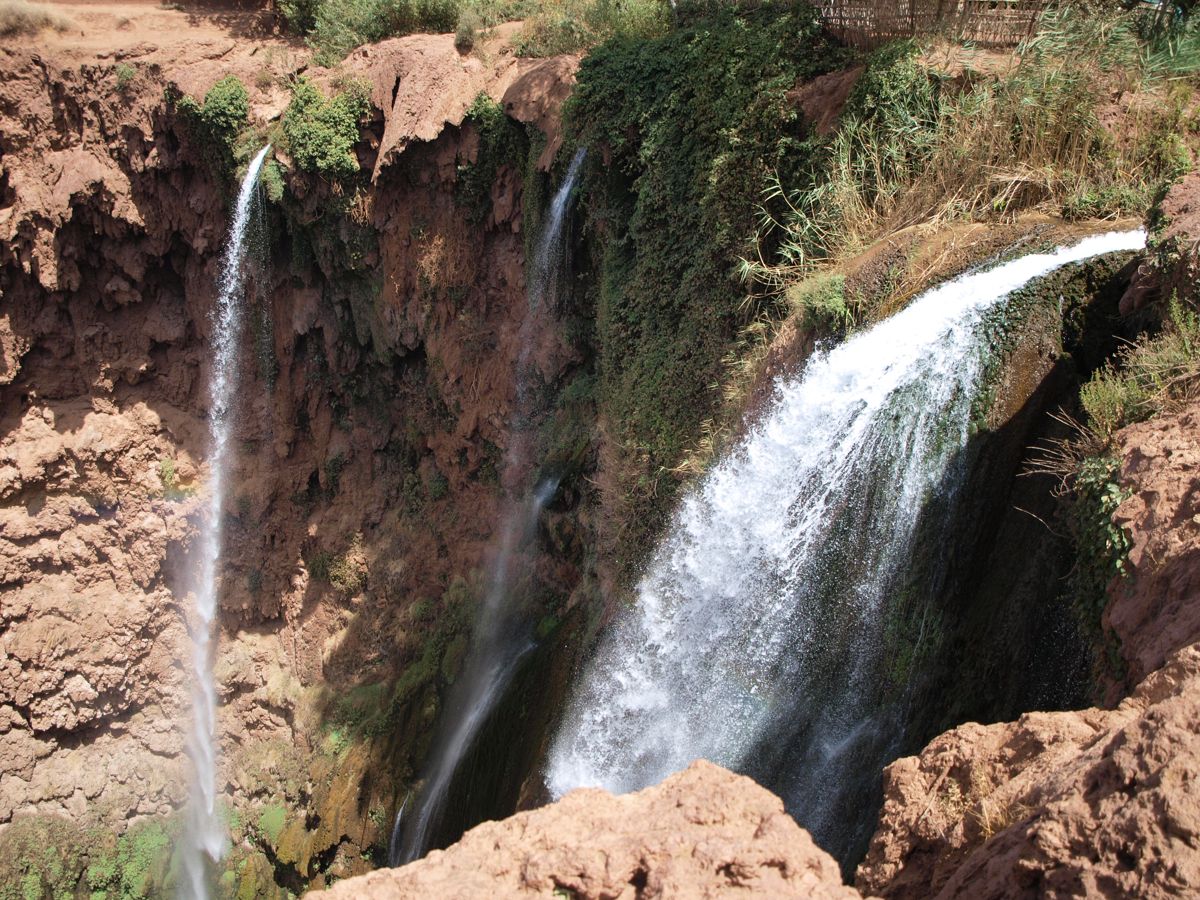
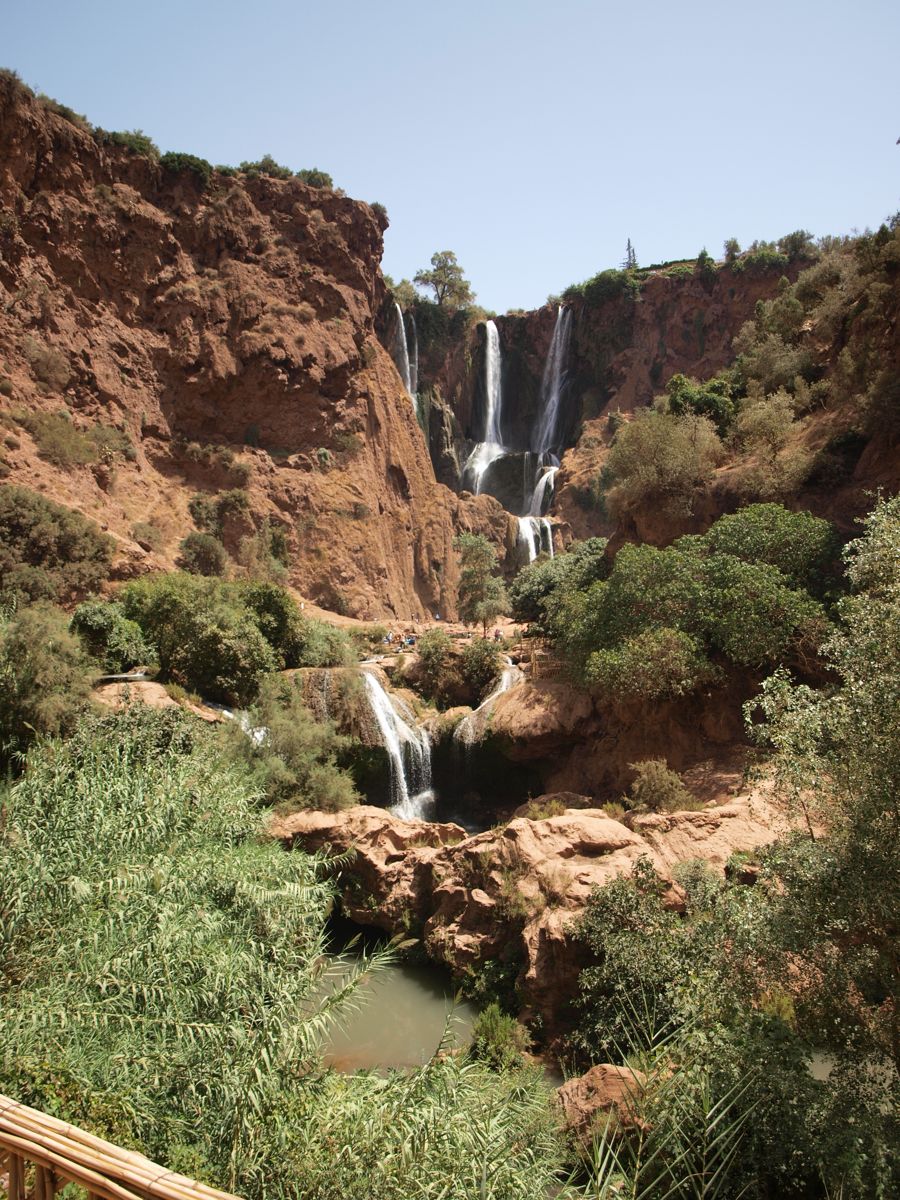
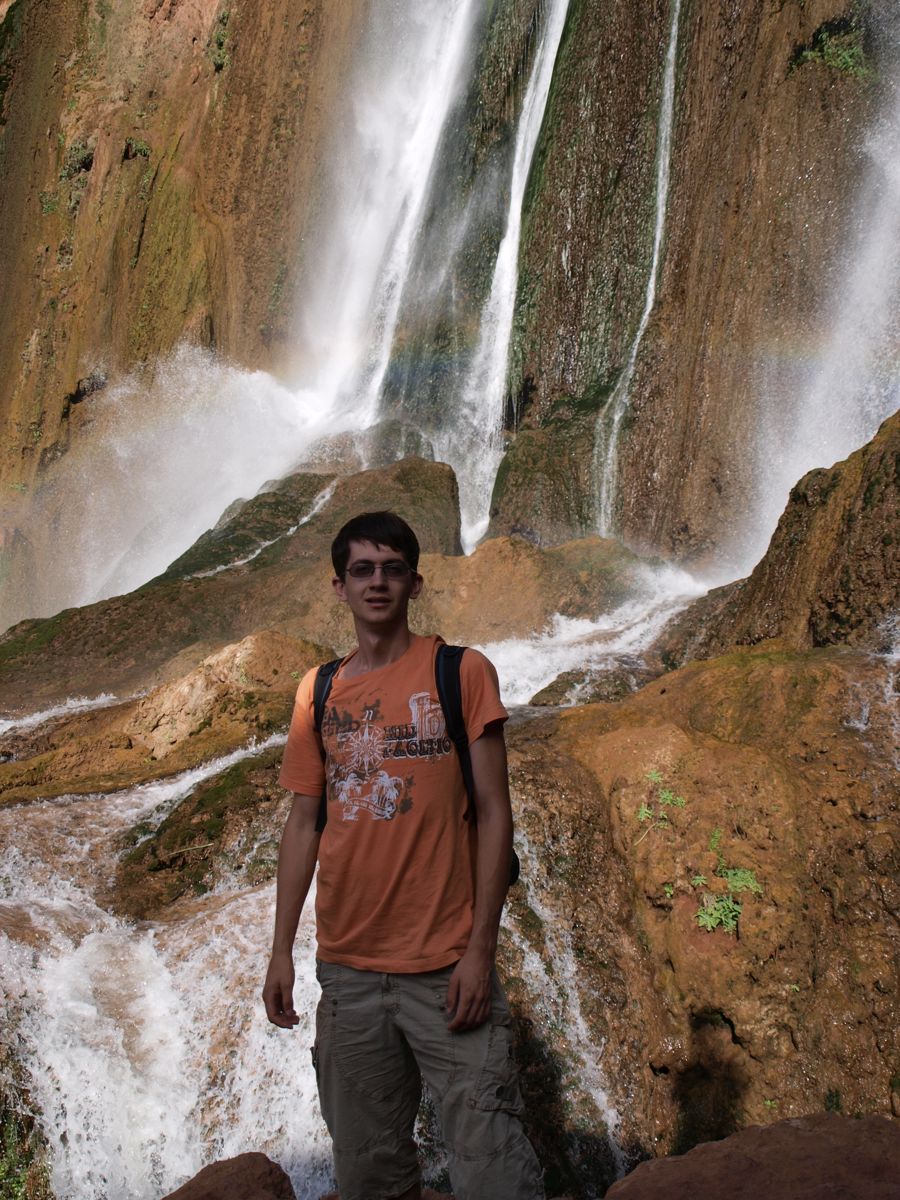
Next came the Middle Atlas and the Ouzoud waterfalls, where the river drops more than a hundred metres in several tiers into a red-rock gorge. Olive groves line the path down, and Barbary macaques wait for visitors by the water.
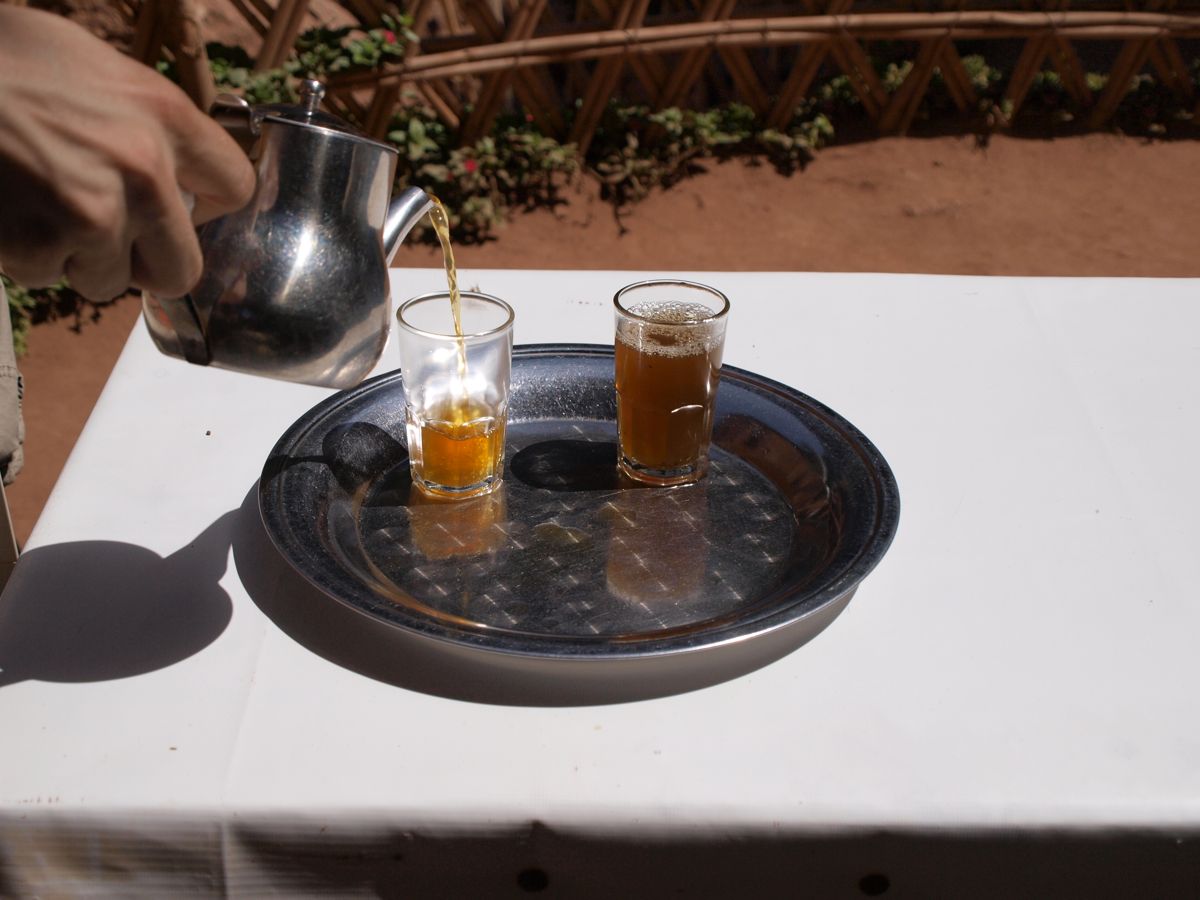
At the bottom there was a table, a tray of mint tea and a view of the spray catching the afternoon light.
2–3 Sep · Morocco
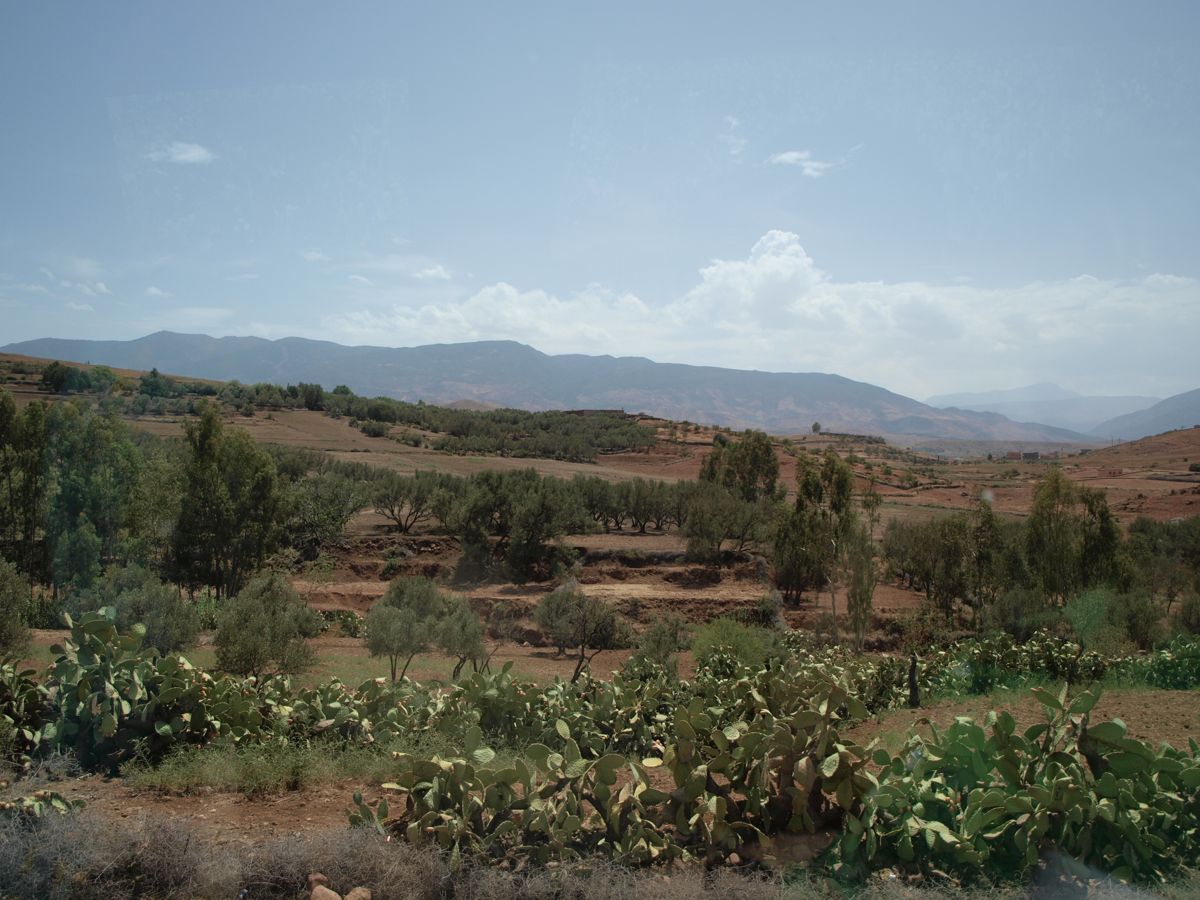
A long day’s drive took us south, over the High Atlas and down into the Draa valley, a ribbon of date palms between stony hills. Zagora is the last proper town before the desert, and its famous signpost says Tombouctou, 52 jours: fifty-two days away by camel.
We were only stopping for the night.
3–4 Sep · Morocco
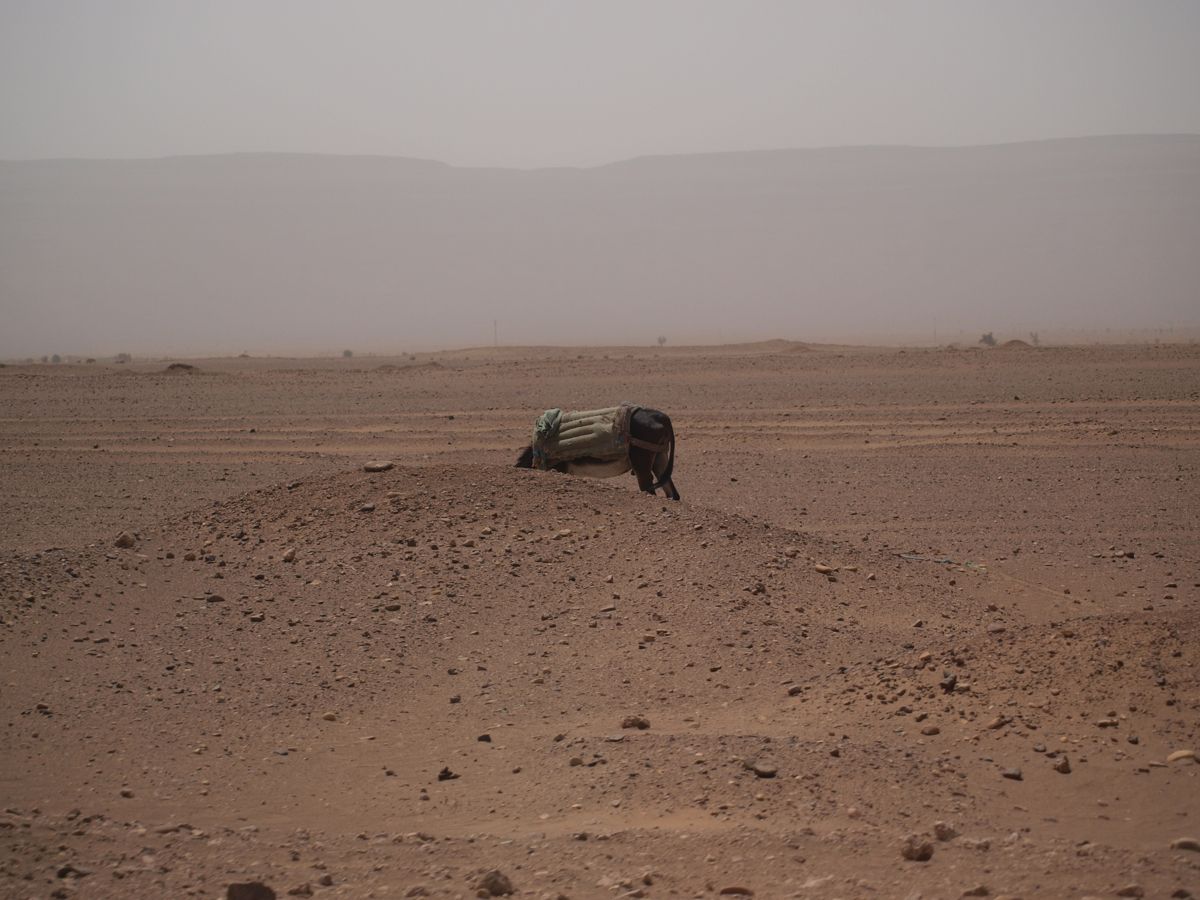
The edge of the Sahara comes quickly. The palms stop, the stones turn to sand and the horizon goes soft with dust.
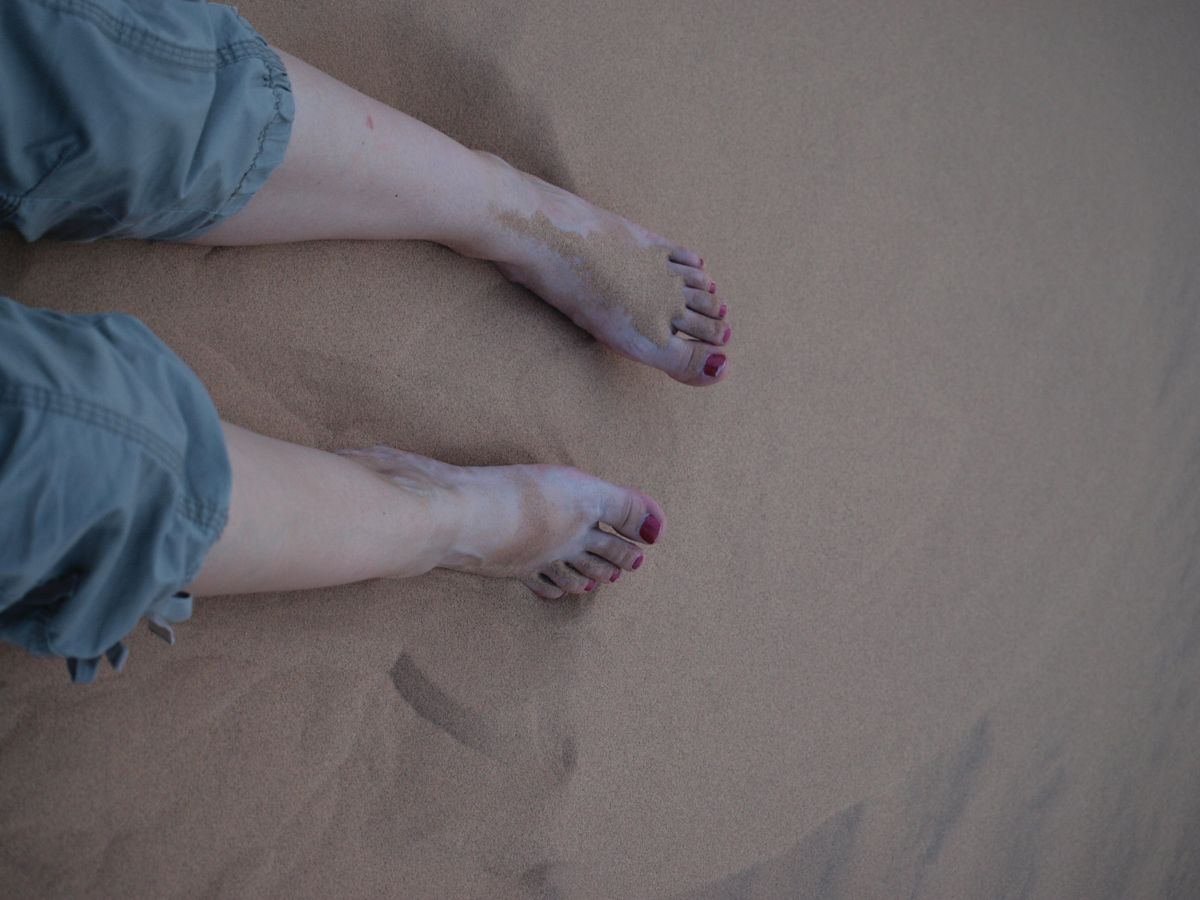
We spent a night out among the dunes: long enough to watch a camel settle into the evening light, and to leave footprints that the wind would erase by morning.
4–5 Sep · Morocco
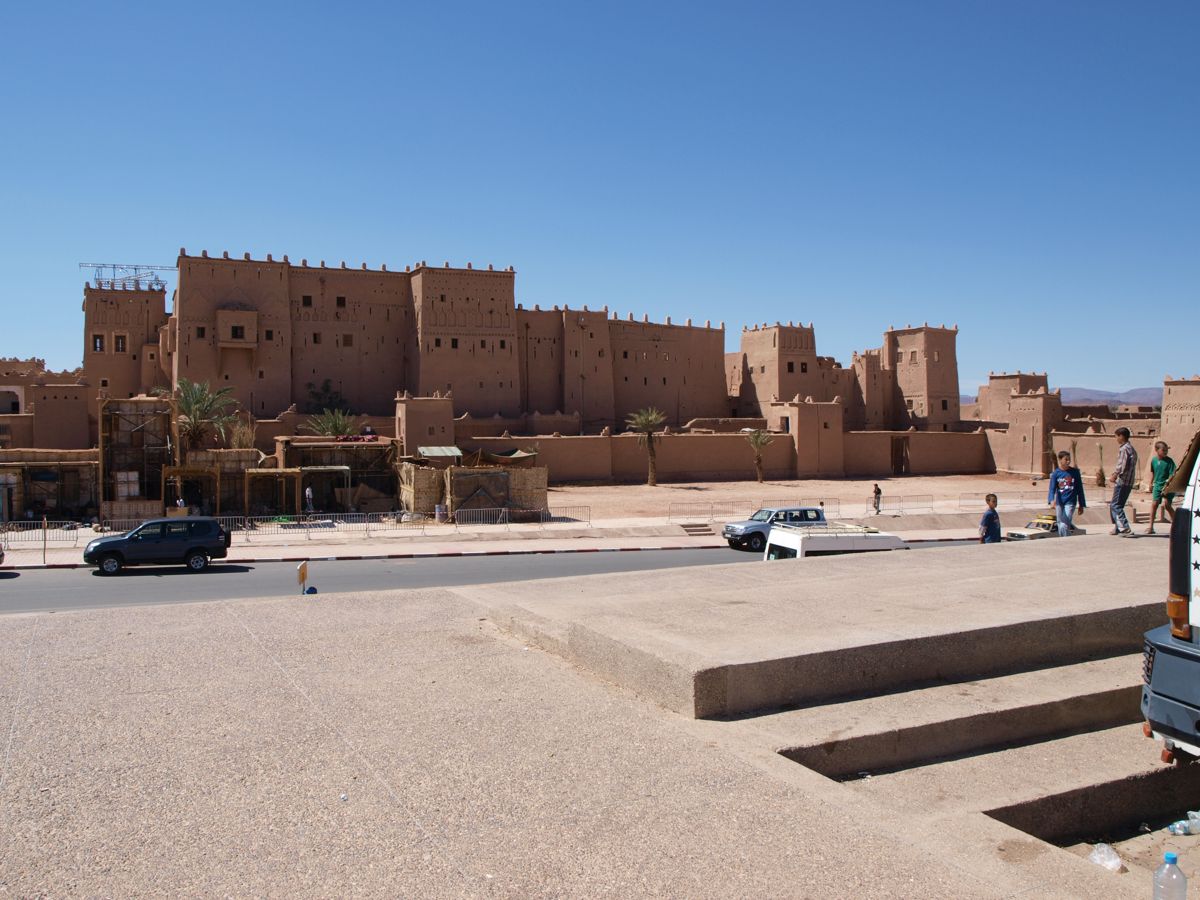
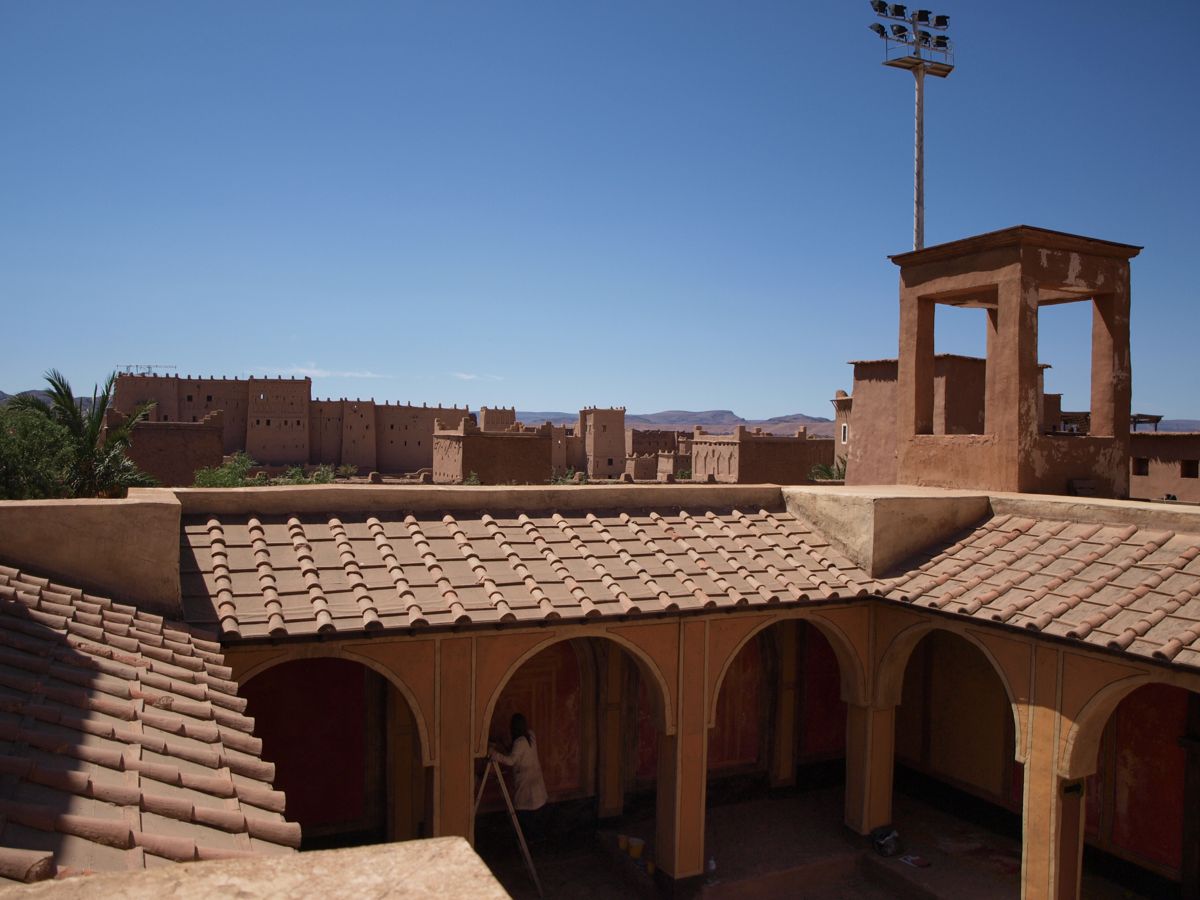
Ouarzazate calls itself the door of the desert. Its earthen kasbahs glow orange at the end of the day, and the film studios on the edge of town have stood in for ancient Egypt, Rome and Tibet.
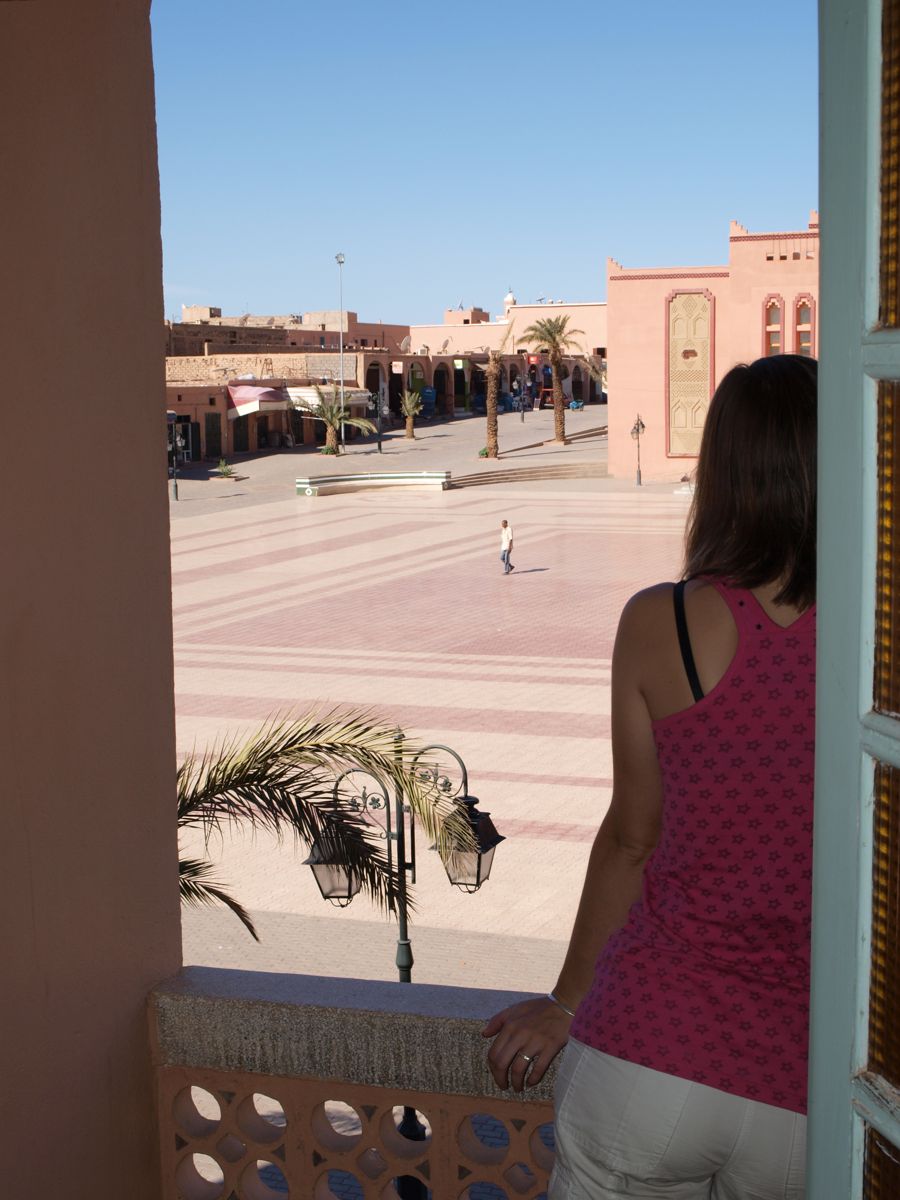
We wandered the old kasbah and climbed to a rooftop for the view over the flat roofs and the long road back toward the mountains.
6–9 Sep · Morocco
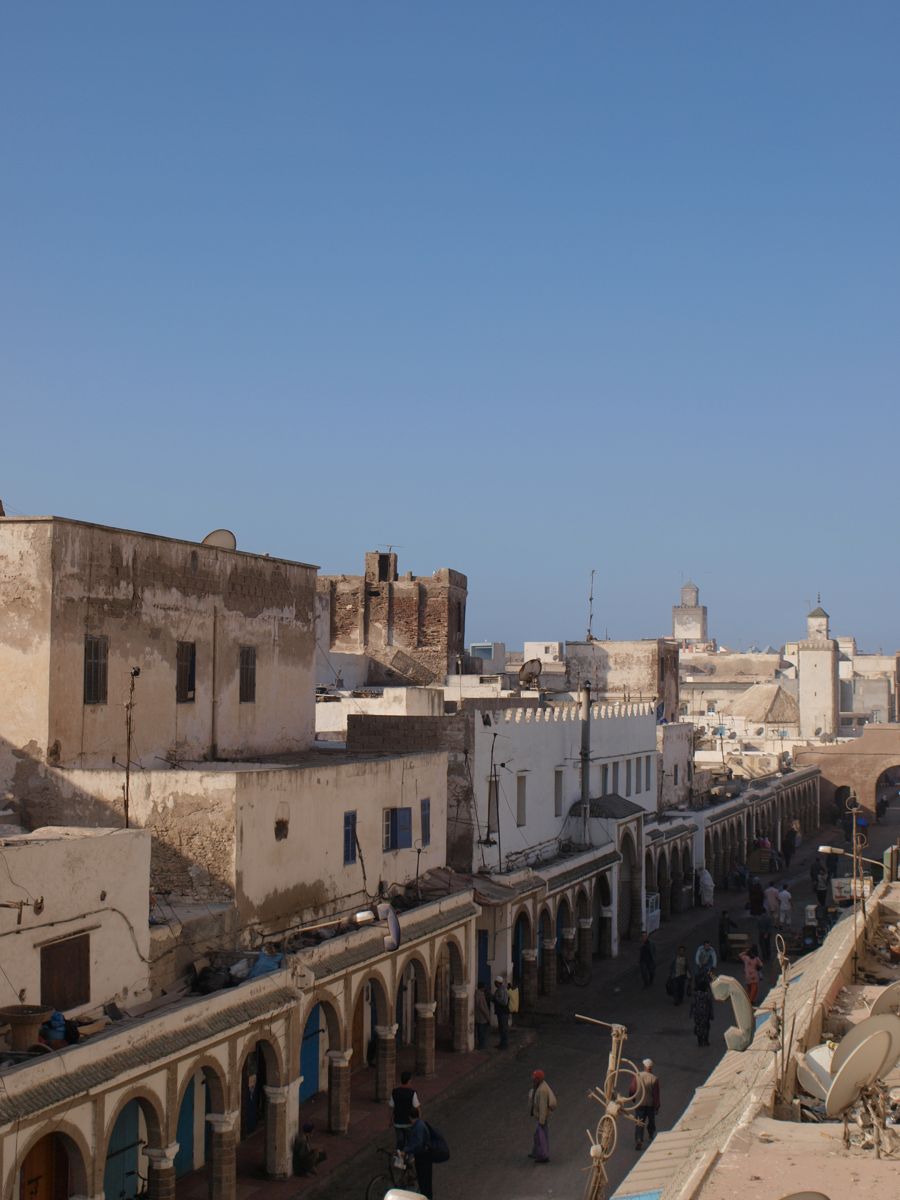
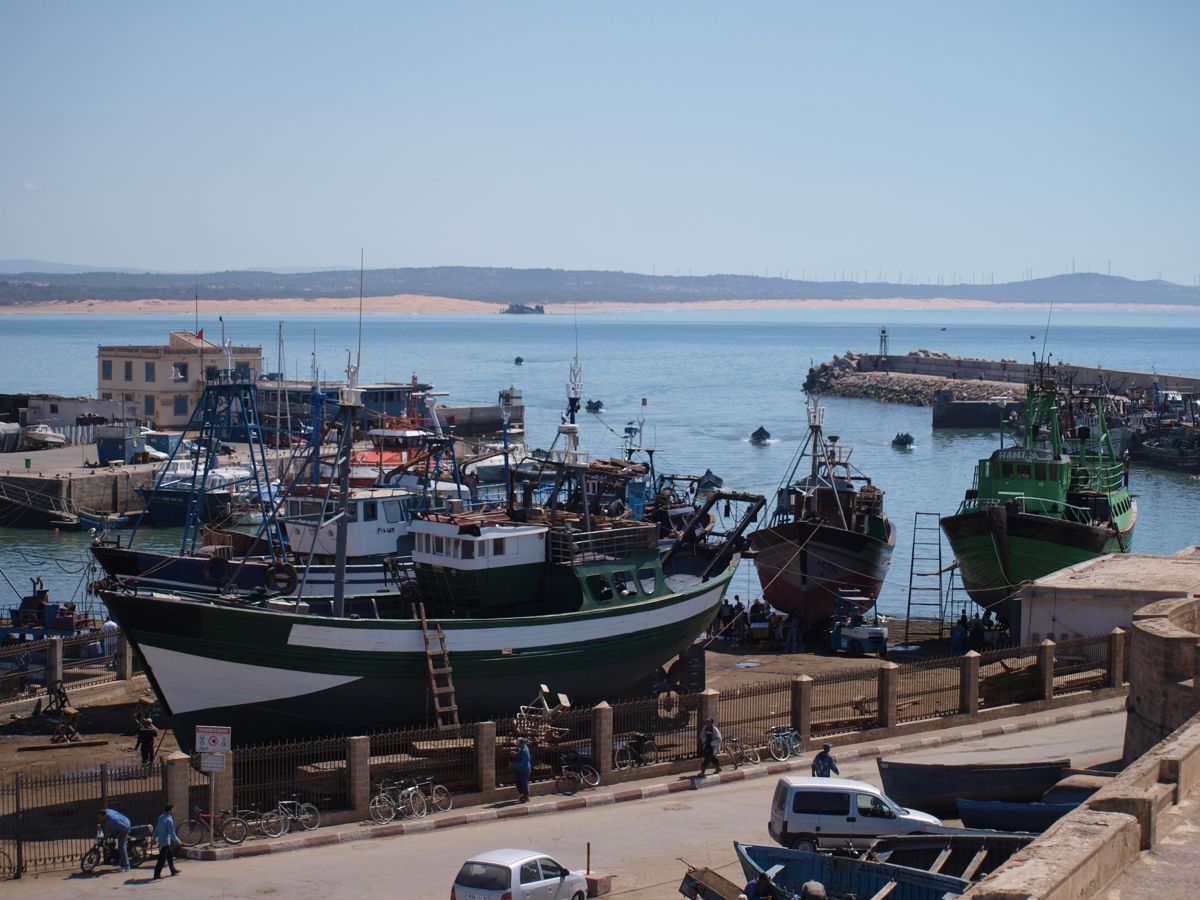
The Atlantic at last. Essaouira is a white-and-blue fishing port wrapped in eighteenth-century ramparts, where the trade wind keeps the air cool and the gulls loud.
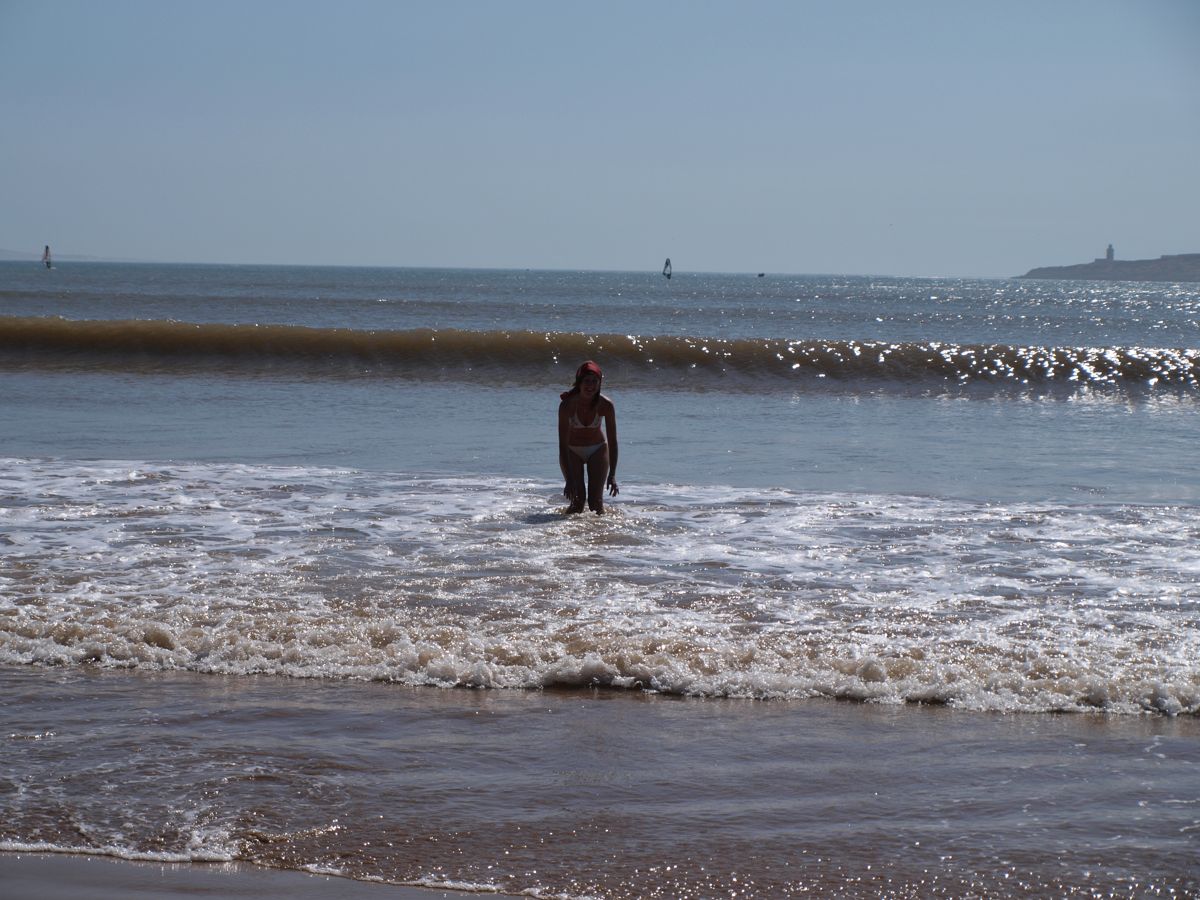
We stayed three nights: long enough to watch the blue boats come and go in the harbour, eat fish by the water and walk the long beach until the wind won.
10–11 Sep · Morocco
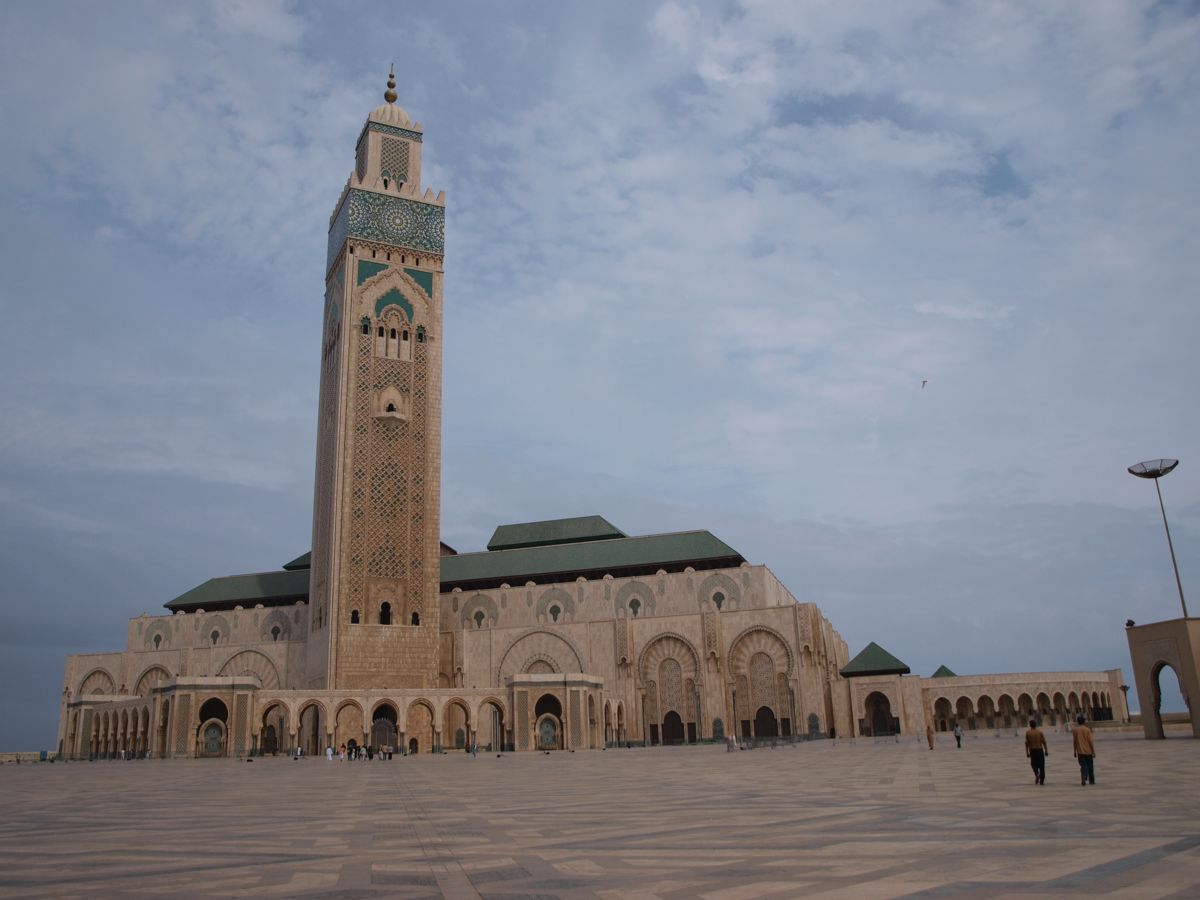
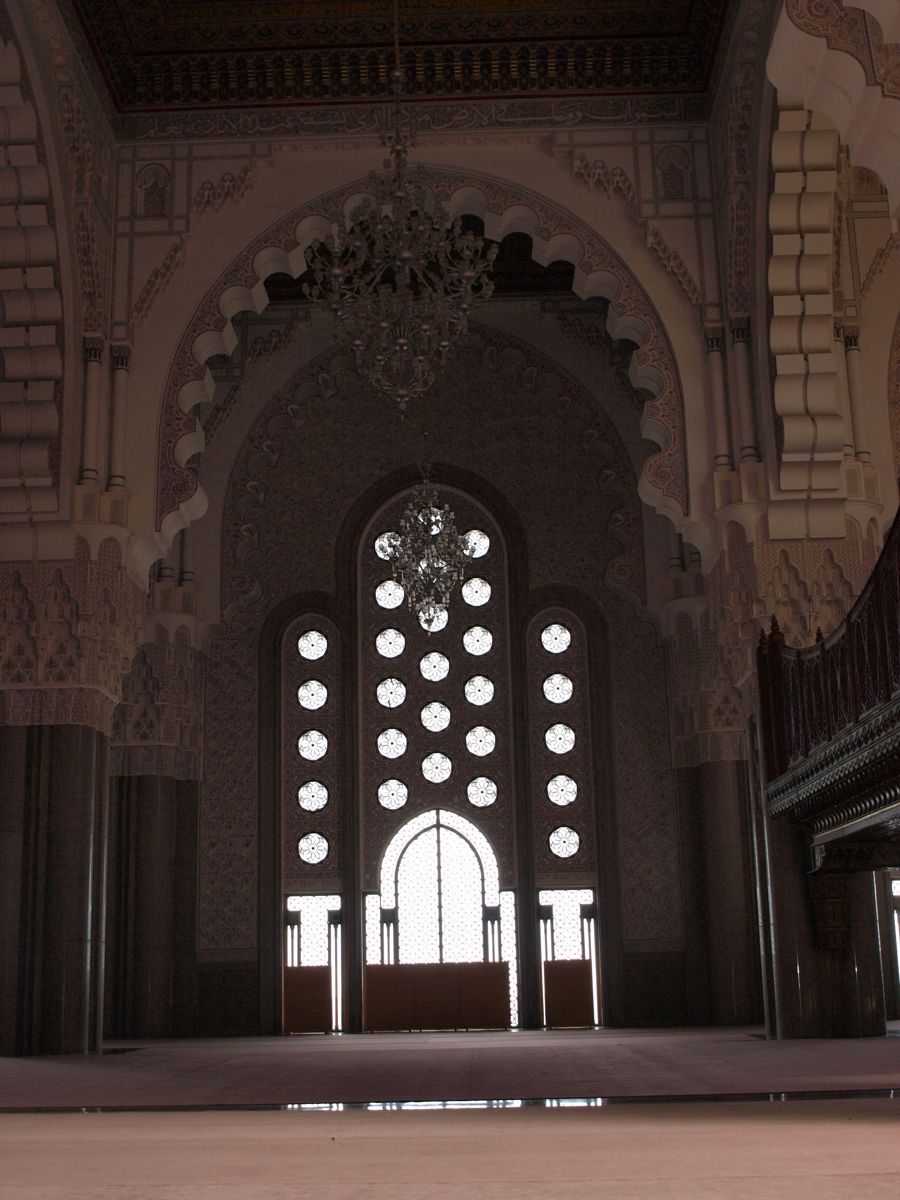
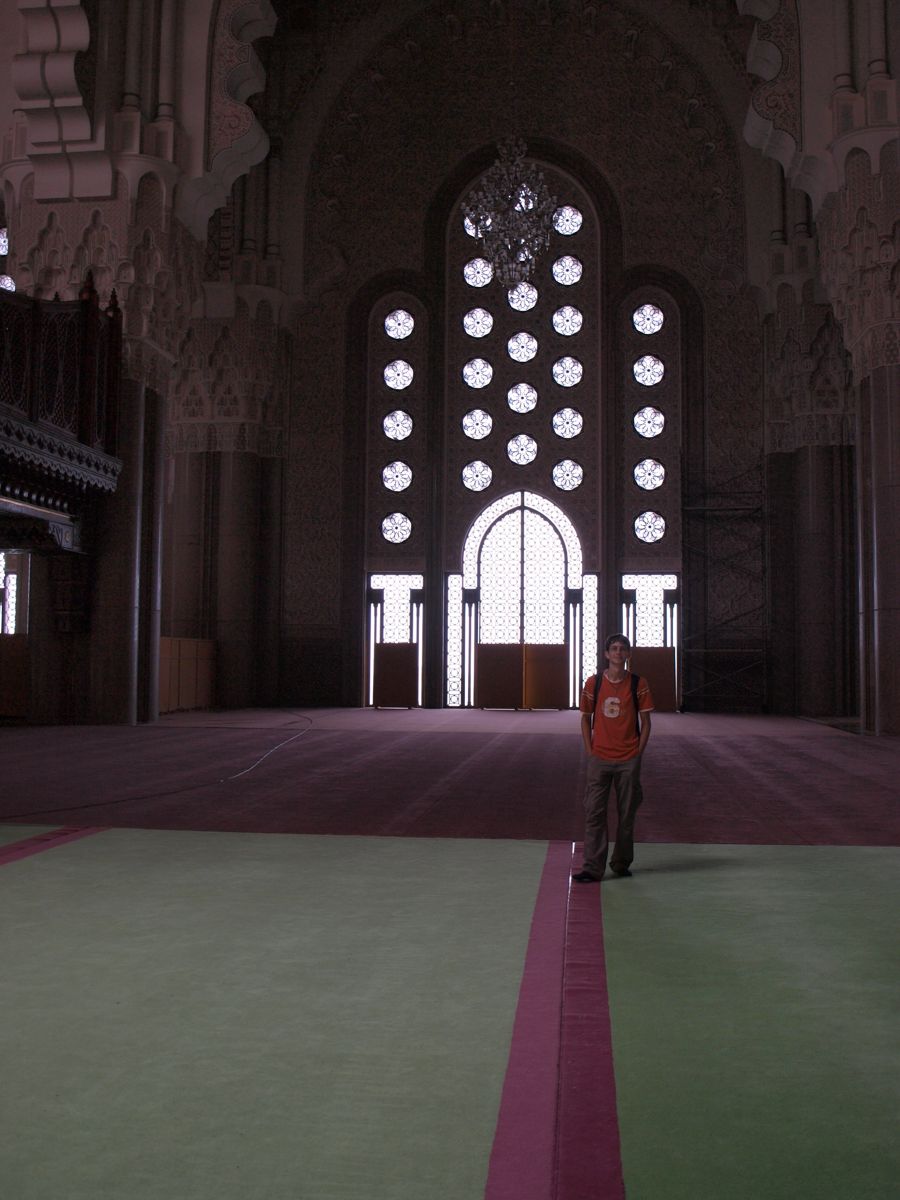
Casablanca is big, modern and busy, and our reason to stop was the Hassan II Mosque, built out over the Atlantic and finished in 1993. Its minaret, around two hundred metres tall, is among the tallest in the world.
Inside, the prayer hall is all high arches and filigreed windows, built for another scale of people altogether.
11 Sep · Morocco
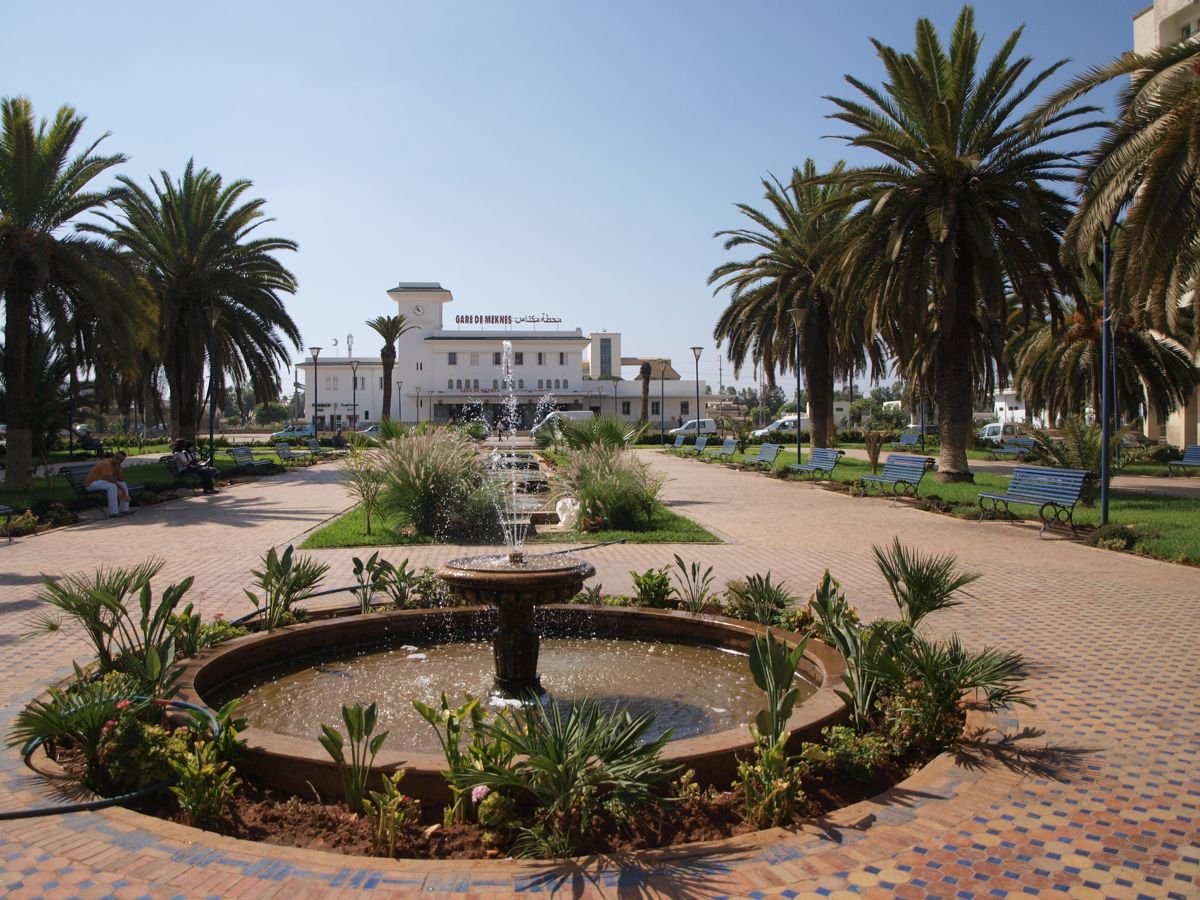
A short stop in Meknes, one of Morocco’s four imperial cities and the capital of Sultan Moulay Ismail in the late seventeenth century.
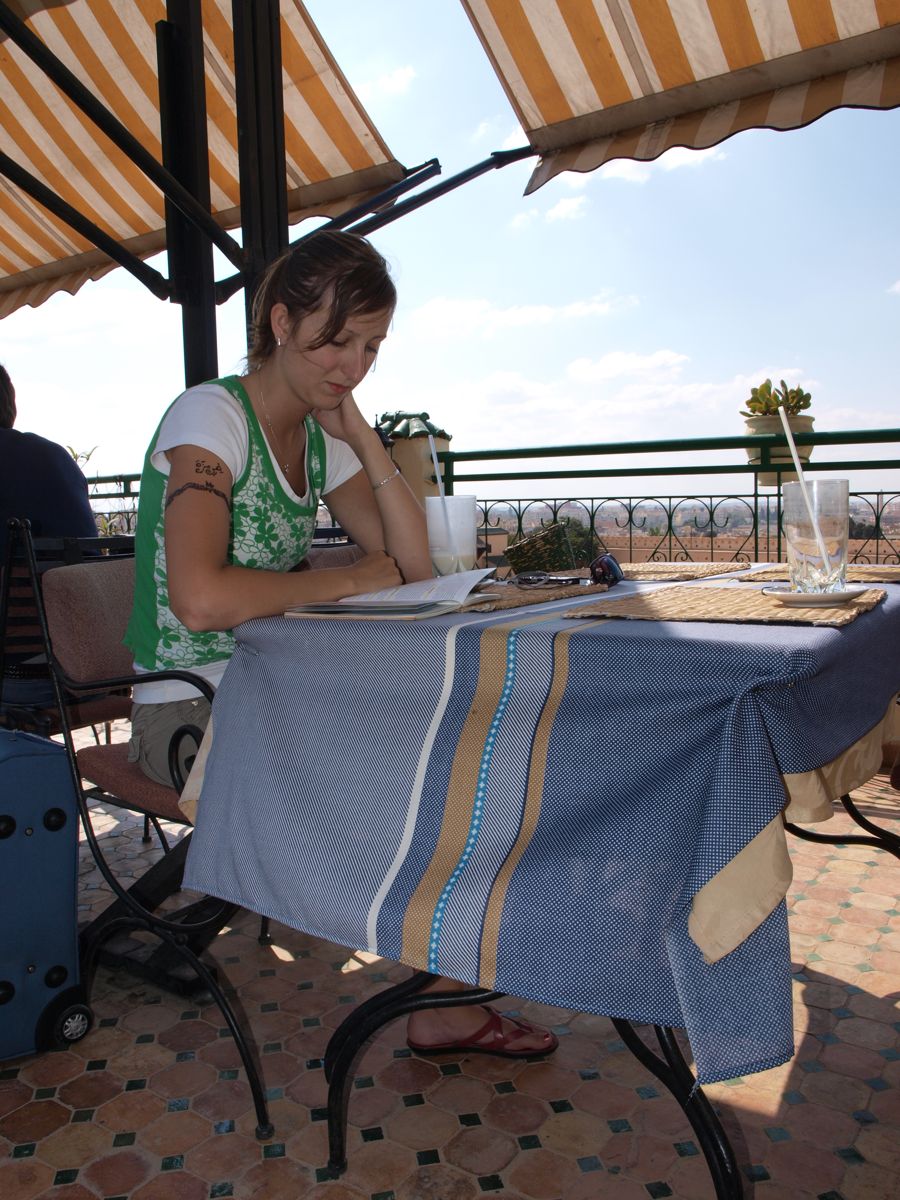
We only had a couple of hours: enough for the monumental gate of Bab Mansour and a pause at a café before heading on to Fez.
11–12 Sep · Morocco
Fez is the oldest of the imperial cities. Its medina, Fes el-Bali, is one of the largest car-free urban areas in the world, a maze of thousands of alleys that feels as though it was never planned at all.
We followed our noses to the tanneries, where leather dries in pits of every colour, and happily gave up on the map.
12–13 Sep · Morocco
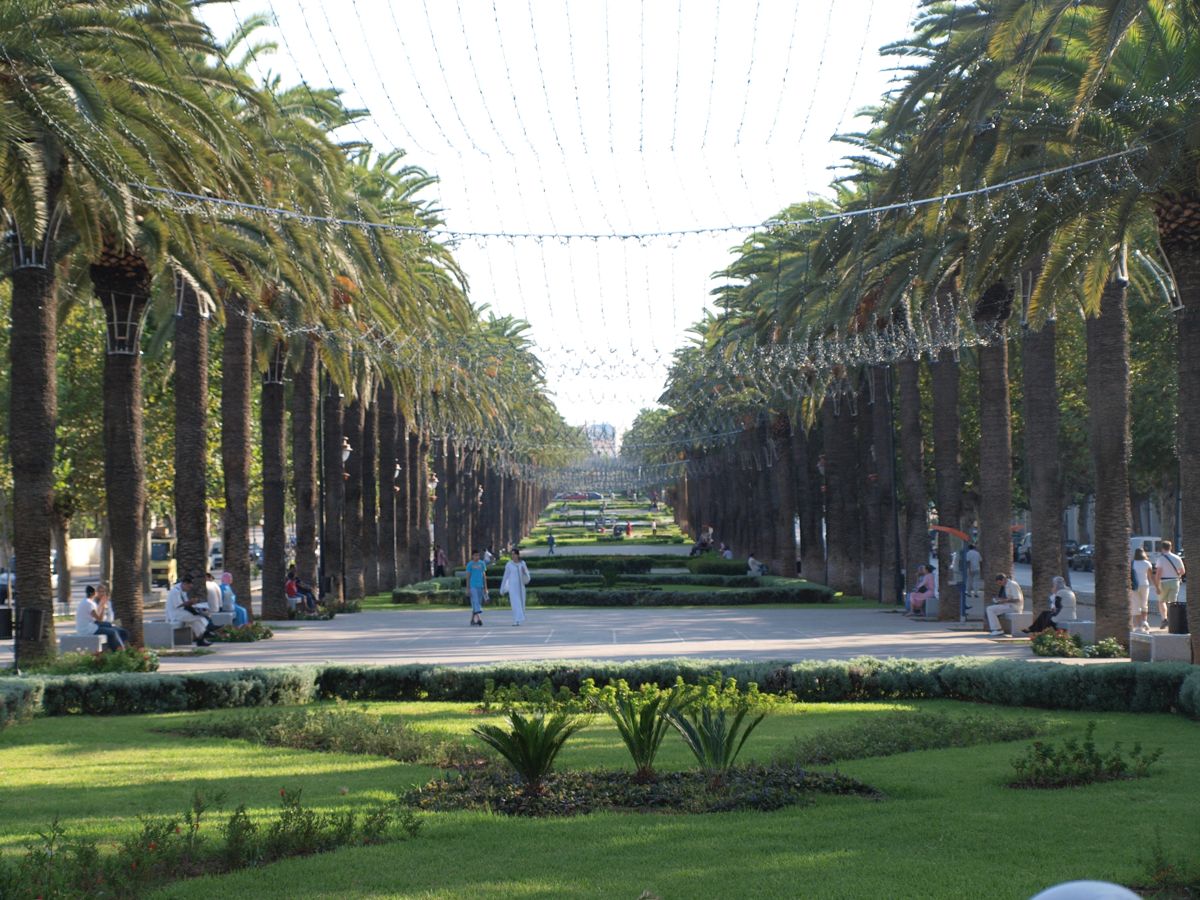
Back in Marrakesh for a last evening, and the city already felt familiar: gardens and palm avenues in the cool light, and a final walk through streets we knew by now.
The trip had come full circle.
13–15 Sep · Spain
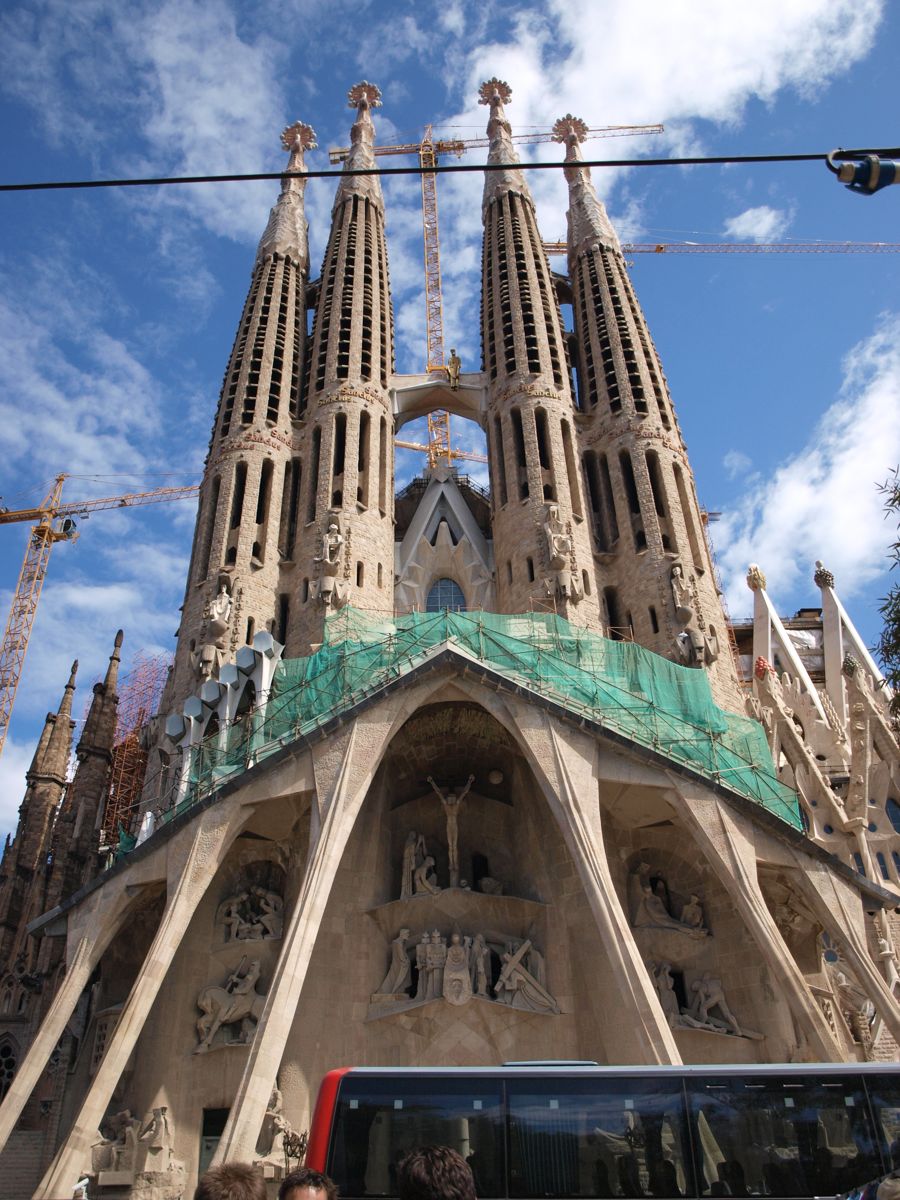
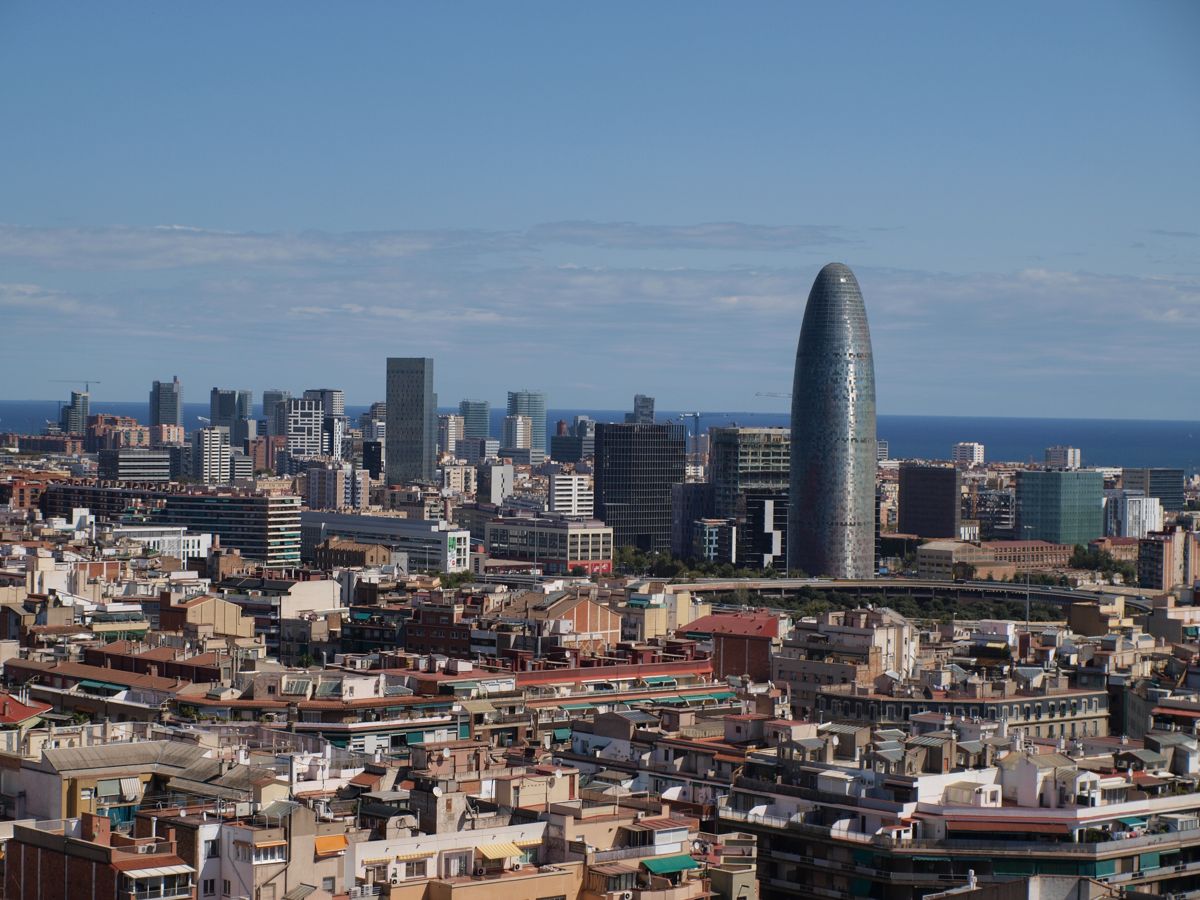
The journey ended with a short hop north to Barcelona, which felt like another planet after two weeks of ochre and dust: Gaudí’s Sagrada Família under its scaffolding, and from the hill the glass bullet of Torre Agbar, now called Torre Glòries, above a sea of rooftops.
We had barely a day and a half, and an early start on the 15th.